Freediving Fitness & Dryland Training Guide
How to train for freediving out of the water — building strength, flexibility, and endurance for deeper, safer dives.
Last updated:
Freediving is not just about what happens in the water. What you do on land — your cardiovascular fitness, flexibility, core strength, and breath training — directly impacts your performance, safety, and enjoyment underwater.
You don't need to be an elite athlete to freedive. Basic swimming fitness is enough to start. But if you want to dive deeper, hold your breath longer, and feel more comfortable at depth, structured dryland training makes a significant difference. This guide covers how to train for freediving when you're not in the water.
Why Fitness Matters
Freediving is a low-intensity, high-relaxation sport. You're not sprinting — you're gliding. But several key fitness components directly improve your diving:
- VO2 max (aerobic capacity): A well-trained cardiovascular system uses oxygen more efficiently, meaning your body can do more with less. This extends your breath-hold time and improves your recovery between dives.
- CO2 tolerance: Training your body to tolerate higher levels of carbon dioxide delays the urge to breathe and reduces the discomfort of diaphragm contractions. This is trainable through breath-hold tables (discussed below).
- Flexibility: Chest and rib cage flexibility improves lung capacity and makes equalization easier. Hip and ankle flexibility improves your streamline position and finning efficiency.
- Core strength: A strong core stabilizes your body in the water, maintains streamline position, and improves finning power without wasting energy.
- Relaxation and body awareness: Yoga, meditation, and breathing exercises train the mental calm that is the single most important factor in freediving performance.
The good news: you don't need a gym. Most effective freediving training can be done at home, in a pool, or outdoors with minimal equipment.
Cardiovascular Training
Cardiovascular fitness improves your body's efficiency at using oxygen and clearing CO2. It lowers your resting heart rate, meaning your body uses less oxygen at rest and during exertion. For freedivers, this translates to longer breath holds and faster recovery between dives.
Swimming
Swimming is the single best cardiovascular exercise for freediving. It builds aerobic fitness while training breath control, body position, and water comfort. You're training the exact environment and movement patterns you'll use while diving.
How to train:
- Easy aerobic swimming: 20-40 minutes of continuous swimming at a conversational pace, 2-3 times per week. This builds your aerobic base without overtraining. Focus on smooth, relaxed strokes — not speed.
- Breath control swimming: Swim laps while breathing every 3, 5, or 7 strokes instead of every stroke. This trains CO2 tolerance and breath control in a functional way.
- Underwater swimming (dynamic apnea): Practice swimming underwater without fins or with freediving fins. This is specific training for dynamic freediving and builds both fitness and mental comfort underwater.
Swimming is low-impact, easy on the joints, and directly translates to better diving. If you can only do one type of cardio training, make it swimming.
Running and Cycling
Running, cycling, and other land-based cardio also improve aerobic capacity and are useful if you don't have regular pool access. Focus on low-to-moderate intensity (Zone 2 training) where you can still hold a conversation. This trains your aerobic system without excessive stress.
Heart rate zones for freediving training:
- Zone 2 (60-70% max heart rate): The sweet spot for aerobic base building. You should be able to talk in full sentences. Most of your cardio training should be here.
- Zone 3-4 (70-85%): Moderate to hard effort. Use sparingly — once per week at most. This improves VO2 max but is more stressful on the body.
- Avoid high-intensity intervals: HIIT training is excellent for many sports, but freediving benefits more from steady-state aerobic training. High-intensity work increases stress hormones and can negatively impact breath-hold performance.
Training Tip: Keep It Easy
Most freedivers overtrain cardio. Freediving is not a high-intensity sport. If you're breathless and exhausted after a training session, you're working too hard. Aim for steady, sustainable effort that leaves you feeling relaxed and energized, not depleted.
Yoga for Freediving
Many of the world's top freedivers practice yoga regularly. It improves flexibility, breathing control, body awareness, and mental calm — all core components of freediving. Yoga is not just stretching; it's a practice of combining breath with movement, which is exactly what freediving requires.
Why Yoga Helps Freediving
- Chest and intercostal flexibility: Tight chest muscles restrict lung expansion and make deep breathing less efficient. Yoga opens the chest, stretches the intercostal muscles between the ribs, and improves diaphragm mobility. This increases your usable lung capacity.
- Improved equalization: Jaw, neck, and shoulder tension can restrict the Eustachian tubes and make equalization harder. Yoga releases this tension and improves the mobility of structures involved in equalization.
- Relaxation and nervous system regulation: Yoga activates the parasympathetic nervous system (rest-and-digest), lowering heart rate and stress hormones. This is the same state you want during a breath-hold or dive.
- Body awareness: Yoga trains you to notice and release subtle tension in your body — a critical skill for staying relaxed during a dive.
Best Yoga Poses for Freediving
- Cat-Cow (Marjaryasana-Bitilasana): Mobilizes the spine and opens the chest. Excellent for thoracic flexibility and diaphragm movement.
- Cobra Pose (Bhujangasana): Opens the chest and stretches the intercostal muscles. Helps reverse the hunched posture from desk work.
- Fish Pose (Matsyasana): Deep chest opener. Stretches the front of the throat and neck, which can improve equalization mechanics.
- Child's Pose (Balasana): Gentle compression of the torso. Calms the nervous system and teaches relaxation in a compressed position (similar to the fetal position during deep dives).
- Pigeon Pose (Eka Pada Rajakapotasana): Hip opener. Improves streamline position and finning efficiency.
- Legs-Up-The-Wall (Viparita Karani): Restorative inversion. Activates the parasympathetic nervous system and simulates the fluid shifts that happen during diving.
Even 15-20 minutes of yoga 3-4 times per week makes a noticeable difference. Focus on slow, controlled breathing during each pose. This trains the breath-body connection that is central to freediving.
CO2 Tolerance Tables at Home
CO2 tolerance is one of the most trainable aspects of freediving, and it can be practiced entirely on dry land. CO2 tables train your body and mind to tolerate the rising discomfort of carbon dioxide buildup during a breath hold. The urge to breathe doesn't come from low oxygen — it comes from high CO2. Training CO2 tolerance delays and reduces this urge.
Safety Warning: Dry Static Breath-Hold Training
Always practice dry static breath holds seated or lying down — never while standing, driving, or in water alone. Even dry breath-hold training carries a small risk of hypoxic blackout (loss of consciousness from low oxygen). If you black out while seated or lying, you'll simply wake up and resume breathing. If you black out while driving or in water, the consequences can be fatal.
Never practice breath holds in water without a trained buddy watching you. Shallow water blackout can happen without warning, even in experienced freedivers.
CO2 Tables
CO2 tables use a fixed breath-hold time with progressively shorter rest periods. This means each round starts with more residual CO2, training your tolerance.
Example CO2 table (for someone with a comfortable 2-minute hold):
| Round | Rest (breathe) | Hold |
|---|---|---|
| 1 | 2:00 | 1:15 |
| 2 | 1:45 | 1:15 |
| 3 | 1:30 | 1:15 |
| 4 | 1:15 | 1:15 |
| 5 | 1:00 | 1:15 |
| 6 | 0:45 | 1:15 |
| 7 | 0:30 | 1:15 |
The hold time should be around 60-70% of your comfortable maximum. You should finish each hold feeling like you could have continued for another 15-30 seconds. The training effect comes from the progressively shorter rest periods, not from pushing to your limit.
Practice this 2-3 times per week, ideally while lying on your couch or bed. Use a timer or a breath-hold training app. Breathe calmly during rest periods — never hyperventilate.
O2 Tables
O2 tables are the opposite: rest periods stay constant, but hold times increase each round. These train your body to function with progressively lower oxygen levels. O2 tables are more advanced and less comfortable than CO2 tables — start with CO2 tables and add O2 tables once you have a solid base.
Core & Streamlining
A strong core stabilizes your body during descent and ascent, maintains streamline position, and improves finning efficiency. Core strength also helps you resist the pressure changes that happen at depth, particularly the compression of your torso and diaphragm.
Key Exercises
Planks
The most effective core exercise for freedivers. Planks train anti-extension strength — the ability to keep your body straight and rigid under load, exactly the position you want while diving.
- Front plank: Hold for 30-60 seconds, focusing on keeping your body in a straight line from head to heels. Don't let your hips sag or pike upward.
- Side plank: Trains lateral stability. Hold 20-40 seconds per side.
- Progression: Once you can hold a standard plank for 60 seconds, progress to plank variations (single-leg plank, plank with arm lift, moving plank).
Hollow Body Hold
A gymnastic exercise that trains the streamline position directly. Lie on your back, press your lower back flat to the floor, and lift your shoulders and feet slightly off the ground. Your body should form a shallow "U" shape — the same shape you want while gliding through the water.
- Hold for 20-40 seconds
- Progress by extending your arms overhead (streamline position)
- This is uncomfortable — that's the point. It trains the exact position and muscle engagement you use during a dive.
Streamline Kicks
Lie on your back on the floor in a streamline position (arms overhead, body straight). Perform small flutter kicks or dolphin kicks for 30-60 seconds. This trains both core stability and finning endurance in the streamline position.
Training Tip: Quality Over Quantity
A 3-minute core session done with perfect form is more effective than 20 minutes of sloppy reps. Focus on body awareness and muscle engagement, not just time under tension. Core training for freediving is about control and stability, not brute strength.
Flexibility for Equalization
Equalization is one of the biggest challenges for new freedivers, and much of it comes down to flexibility and tension in the structures around the Eustachian tubes. Tight jaw, neck, and shoulder muscles can restrict the tubes and make equalization difficult. Dryland flexibility work directly improves your ability to equalize at depth.
Jaw Stretches
Tension in the jaw muscles (masseter, temporalis) can restrict Eustachian tube opening. Many people unconsciously clench their jaw, especially during breath holds.
- Jaw opening stretch: Open your mouth as wide as comfortable, hold for 10 seconds, repeat 5 times. Do this daily.
- Jaw massage: Use your fingers to massage the masseter muscles (the thick muscles on the sides of your jaw). Press gently and move in small circles. This releases chronic tension.
- Yawning: Deliberately yawn several times before diving. This naturally stretches the jaw and opens the Eustachian tubes.
Soft Palate Exercises
The soft palate (back of the roof of your mouth) must move freely for effective equalization, especially for Frenzel technique. Practice isolating and moving the soft palate.
- The "K" sound: Say "kuh" slowly and feel the back of your tongue and soft palate touching. Hold that position. This is the glottis lock used in Frenzel equalization.
- Soft palate lifts: Try to lift the back of your palate without swallowing or moving your tongue. This is subtle and takes practice, but it strengthens the muscles used in equalization.
Thoracic Mobility
Tension in the upper back and shoulders restricts chest expansion and indirectly affects equalization. Stretching the thoracic spine improves overall mobility.
- Thoracic rotations: Sit with your hands behind your head. Rotate your torso left and right, leading with your elbows. Move slowly and deliberately. 10 reps per side.
- Doorway chest stretch: Place your forearm on a doorframe and gently lean forward, stretching the chest and shoulder. Hold 30 seconds per side.
Frenzel Practice
The Frenzel equalization technique itself is a motor skill that improves with daily practice. Spend 5 minutes per day practicing Frenzel on dry land — pinch your nose, lock your glottis, and use your tongue as a piston to push air into your Eustachian tubes. See our complete guide to equalization for detailed instructions.
Recovery & Rest
Freediving is a relaxation sport, and performance improves with adequate rest. Overtraining is counterproductive — it increases resting heart rate, raises stress hormones, and reduces breath-hold capacity. Quality of training matters far more than quantity.
Signs of Overtraining
- Elevated resting heart rate (measure first thing in the morning)
- Reduced breath-hold times despite consistent training
- Persistent fatigue or low motivation to train
- Trouble sleeping or feeling wired but tired
- Increased irritability or mood changes
If you notice any of these signs, take 2-3 days of complete rest or switch to very light activity (walking, gentle yoga). Your body adapts during rest, not during training.
Importance of Rest Days
Include at least 2 full rest days per week with no structured training. Active recovery (light walking, easy swimming, stretching) is fine, but avoid anything that elevates your heart rate significantly.
Sleep
Sleep is when your body adapts to training stress. Aim for 7-9 hours per night. Poor sleep directly impacts breath-hold performance — your resting heart rate increases, your nervous system becomes more reactive, and your CO2 tolerance decreases.
Nutrition Basics
No special diet is required for freediving, but general health principles apply: eat whole foods, stay hydrated, and avoid excessive alcohol (it disrupts sleep and increases inflammation). Some freedivers find that a light meal 2-3 hours before diving feels better than diving on a full stomach or completely empty.
Sample Weekly Training Plan
Here's a balanced weekly plan combining all elements. Adjust volume and intensity based on your schedule and fitness level.
| Day | Training | Duration |
|---|---|---|
| Monday | Easy swimming (aerobic base) + 10 min stretching | 40 min |
| Tuesday | Yoga for freediving (chest openers, hip openers, breathwork) | 30-45 min |
| Wednesday | CO2 table (dry static) + core exercises (planks, hollow body) | 25 min |
| Thursday | Rest or active recovery (light walk, gentle stretching) | — |
| Friday | Easy swimming or running (Zone 2) + equalization practice | 30-40 min |
| Saturday | Pool training session (static apnea, dynamic apnea, technique work) | 60-90 min |
| Sunday | Rest or open water dive (applying training in real conditions) | — |
Daily micro-habits (5-10 minutes):
- Morning: 5 minutes of diaphragmatic breathing or box breathing
- Midday: 2 minutes of jaw stretches and Frenzel practice
- Evening: 10 minutes of gentle yoga or stretching before bed
Consistency with small daily habits often produces better results than sporadic intense training sessions.
Melbourne-Specific Training
Melbourne has excellent facilities for dryland and pool training. Here's where to train when you're not in the ocean.
Pools for Freediving Training
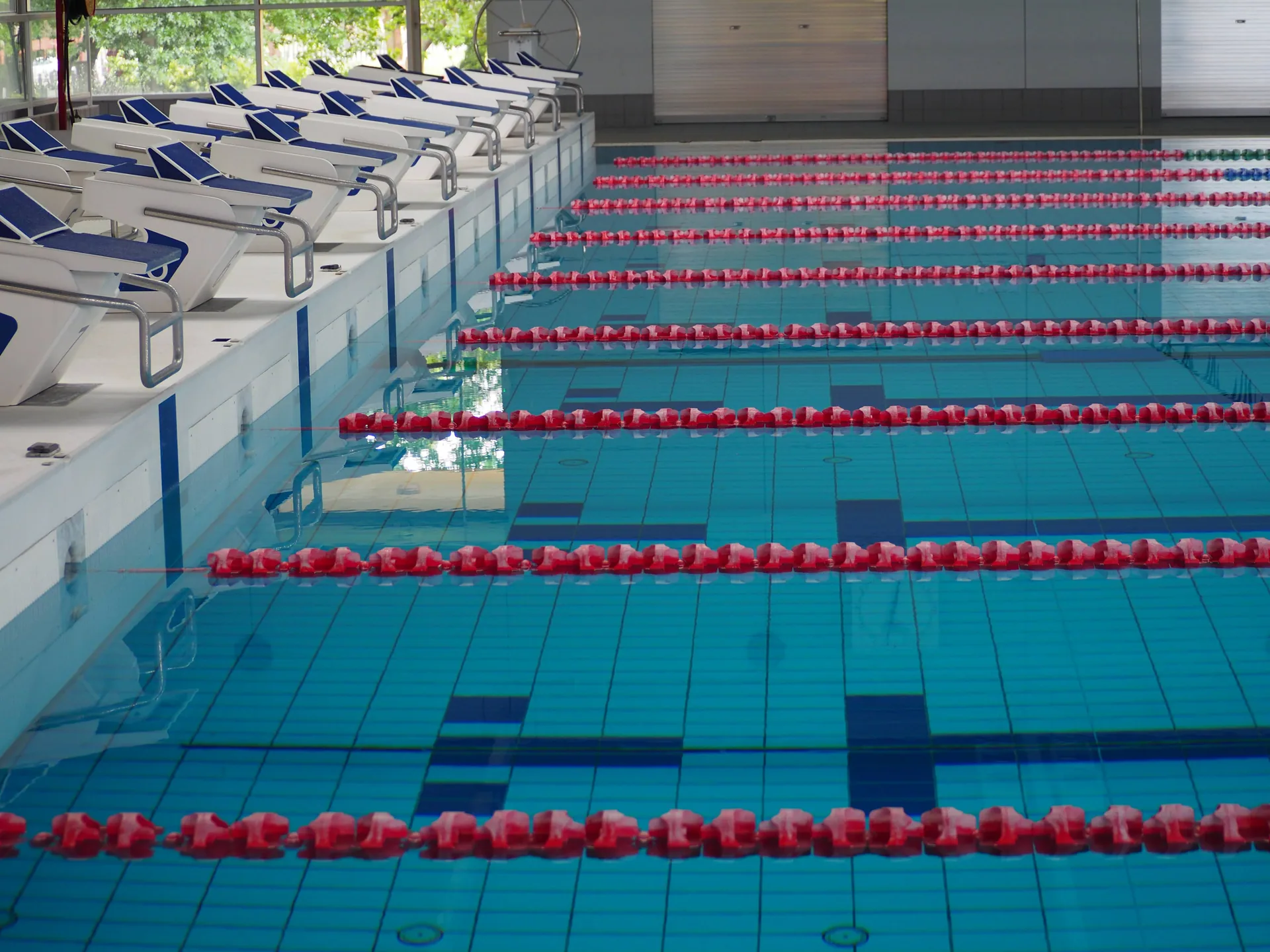
- Melbourne Sports and Aquatic Centre (MSAC), Albert Park — 50m Olympic pool, most popular for freediving training. Local clubs run regular sessions here. See our pool training guide.
- Victoria University Aquatic Centre, Footscray — 50m pool, used by some training groups.
- Monash Aquatic Centre, Glen Waverley — Eastern suburbs option for lap swimming and breath-hold practice.
- Aqualink Box Hill — Another eastern option with good depth for static training.
Yoga Studios
Many yoga studios across Melbourne offer classes suitable for freedivers. Look for classes focused on breathwork (pranayama), chest opening, and relaxation rather than high-intensity vinyasa flow. Yin yoga and restorative yoga are particularly beneficial.
- Yoga studios in St Kilda, Prahran, and Fitzroy tend to have experienced teachers and a variety of class styles.
- Online options: Yoga with Adriene (YouTube) has excellent free classes for flexibility and breathwork.
Running and Outdoor Training
- Albert Park Lake — 5km loop, flat and scenic. Close to MSAC, so you can combine cardio training with pool training.
- Tan Track, Royal Botanic Gardens — 3.8km loop with some hills. Popular with runners of all levels.
- Bay Trail along Port Phillip Bay — Long, flat trail from St Kilda to Brighton and beyond. Perfect for easy Zone 2 running or cycling.
Freediving Clubs and Training Groups
Joining a freediving club gives you access to structured pool sessions, experienced coaches, and training partners. Most clubs in Melbourne run weekly pool sessions and organize regular ocean dives. See our guide to freediving clubs in Melbourne for details.
Frequently Asked Questions
Do you need to be fit to freedive?
Basic swimming fitness is enough to start. However, improving cardiovascular fitness, flexibility, and CO2 tolerance will significantly improve your breath-hold time, depth capacity, and overall comfort in the water.
What is the best exercise for freediving?
Swimming is the single most beneficial exercise, as it builds aerobic fitness while training breath control and water comfort. Yoga is a close second for the flexibility and relaxation benefits. A combination of both is ideal.
Can you train CO2 tolerance at home?
Yes, CO2 tolerance tables can be practiced at home using breath-hold intervals with decreasing rest periods. This is dry static training — no water required. Always practice seated or lying down, never while driving or in water alone.
How often should freedivers train?
A balanced program of 3-5 sessions per week mixing cardio, flexibility, and breath training is effective. Include at least 2 rest days. Quality of training matters more than quantity — overtraining reduces breath-hold performance.