Freediving in Melbourne & Victoria
The complete guide to freediving in Victoria, Australia - dive sites from Port Phillip Bay to the Great Ocean Road, courses, clubs, marine life, and how to get started.
Last updated:
What is Freediving?
Freediving is the practice of diving underwater on a single breath, without the use of scuba equipment. It's one of the oldest forms of diving, and Melbourne offers some of Australia's best conditions for learning and practising this incredible discipline.
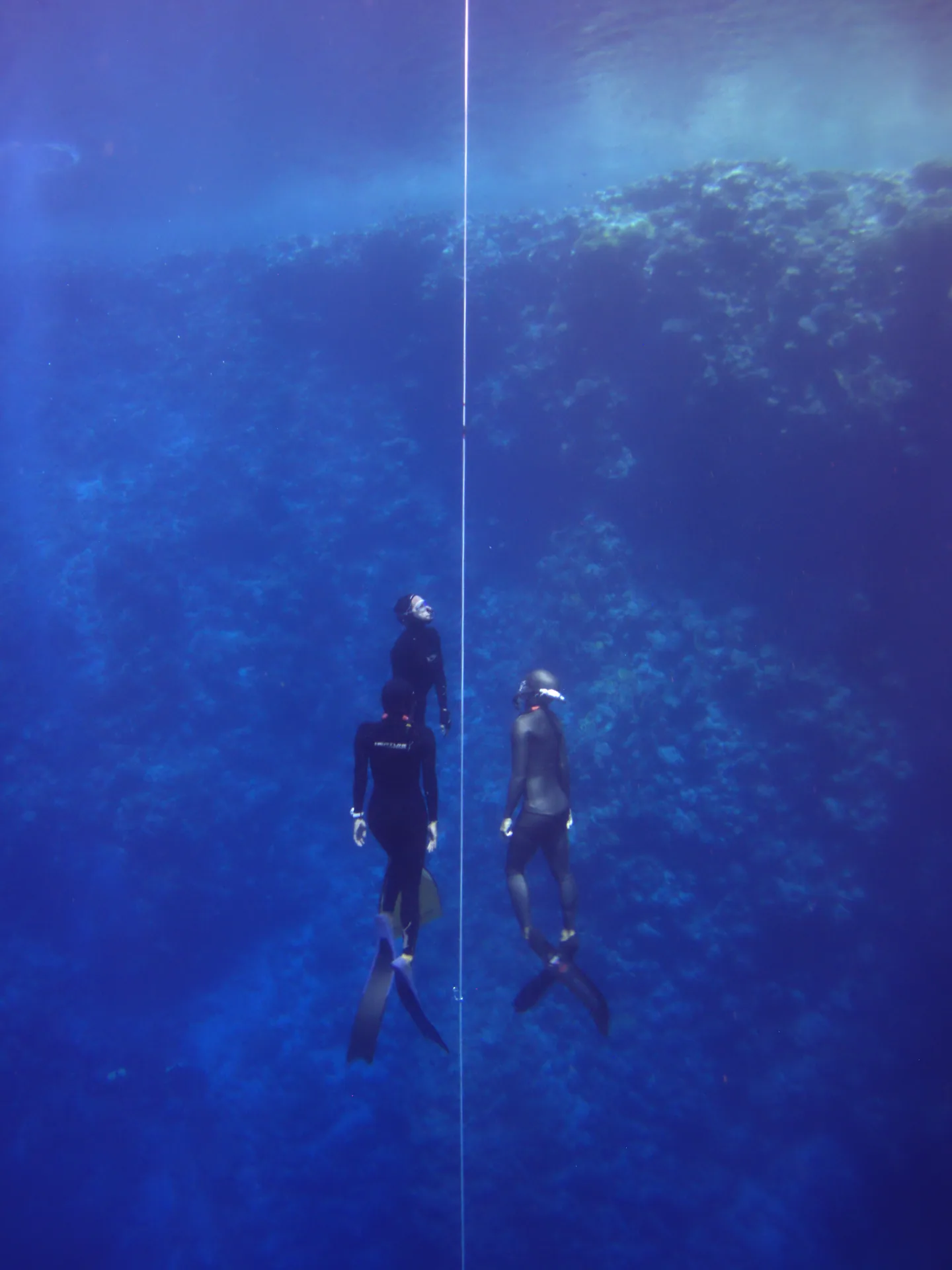
Most freedivers in Melbourne dive recreationally — exploring pier sites, photographing marine life, or spearfishing — though the city also has a growing competitive scene. Competitive freediving is organised around several disciplines: Static Apnea (holding your breath face-down in a pool), Dynamic Apnea (swimming horizontally underwater for distance), Constant Weight (diving vertically to depth on a line), and Free Immersion (pulling yourself down and up a line without fins). Locally, the most common activities are dynamic pool training during the week and pier diving on weekends.
Why Melbourne is Great for Freediving
Melbourne and the surrounding Port Phillip Bay offer unique advantages for freedivers:
- Protected waters in Port Phillip Bay — ideal for training
- Incredible marine life including weedy seadragons, seahorses, and rays
- Multiple pier diving locations accessible year-round
- Active freediving community and clubs
- Pool training facilities for technique development
Port Phillip Bay Marine Life
Port Phillip Bay is home to remarkable marine life that you can encounter while freediving:
- Weedy Seadragons — Victoria's official marine emblem, the weedy seadragon (Phyllopteryx taeniolatus) grows up to 45cm long and is found only in temperate southern Australian waters. They live around pier pylons and seagrass beds at sites like Flinders Pier and Portsea Pier year-round, with winter (June–August) being breeding season when males carry bright-pink eggs on their tails. Flinders Pier was famously featured in BBC's Blue Planet II. See our guide to freediving with weedy seadragons for the best spots and tips.
- Seahorses — Close relatives of seadragons, seahorses cling to pier pylons and seagrass throughout Port Phillip Bay year-round. Blairgowrie Pier and Rye Pier are among the most reliable spots to find them, usually within a few metres of the pylons.
- Smooth Rays — These large rays rest on sandy bottoms near pier sites, especially during the warmer months from November to March. They can measure over one metre across, so give them space — they're docile but have a venomous barb on their tail.
- Cuttlefish — Giant Australian cuttlefish visit the bay's piers during their breeding season from May to September. Their rapid colour-changing displays are one of the most memorable sights you'll encounter on a pier dive.
- Nudibranchs — These colourful sea slugs are found year-round on pier pylons and reef structures. Most are tiny (1–5 cm), so look carefully on sponge-covered pylons — Blairgowrie and Flinders Piers are particularly good spots.
Getting Started
If you're new to freediving, here's how to begin your journey. A beginner course typically costs $350–$600 and runs over a weekend, so the barrier to entry is lower than you might expect.
- Take a course — A beginner freediving course usually runs over two days covering theory, pool sessions, and an open-water dive. You'll learn breathing techniques, equalisation, buddy safety, and rescue skills. Courses are offered through certification bodies including AIDA, SSI, PADI, and Molchanovs, and all equipment is typically provided. See our guide to choosing a freediving course for what to look for, and our freediving costs breakdown for detailed pricing.
- Join a club — Melbourne has both freediving-focused clubs (with pool training, technique coaching, and organised bay dives) and spearfishing-oriented clubs (like Southern Freedivers and Club Spearfish). Some, like Geelong Freedivers, cater to both. Joining a club gives you training partners, safety buddies, and access to group dives. See our guide to freediving clubs in Melbourne for a full comparison.
- Start in the pool — Most clubs run weekly pool sessions where you can practise static breath-holds, dynamic swimming, and rescue skills under supervision. This is the safest way to build your breath-hold and technique before heading into open water.
- Progress to open water — When you're comfortable in the pool, Rye Pier is an ideal first open-water site: shallow (2–5 m), sheltered, with easy entry from the beach. Always dive with a buddy and choose calm conditions for your first few bay dives.
Training Locations
Pool Training
Pool training is how most Melbourne freedivers build and maintain their skills between bay dives. Controlled conditions let you focus on breath-hold technique, streamlining, and rescue drills without the variables of open water.
Key venues include Melbourne Sports and Aquatic Centre (MSAC) in Albert Park, which has a dedicated dive pool; Monash Aquatic and Recreation Centre in Glen Waverley, with a 50 m outdoor pool; and Aqualink Box Hill, which offers good lap facilities for dynamic training. Several clubs run weekly sessions at these and other council pools — see our pool training guide for venues, session formats, and safety tips.
Flinders Pier
Flinders Pier is the most famous freediving site in Victoria, featured in BBC's Blue Planet II for its weedy seadragon population. The pier sits in 4–10 m of water surrounded by kelp forest and sponge-covered pylons. You'll find seadragons, nudibranchs, seahorses, and cuttlefish here year-round.
- Depth: 4–10 m
- Difficulty: Intermediate — can have current and swell
- What you'll see: Weedy seadragons, nudibranchs, seahorses, cuttlefish, kelp forest
- Parking: Free car park at the pier
- Best conditions: Calm days with minimal swell; incoming tide for better visibility
Portsea Pier
Portsea Pier consistently offers the best visibility in Port Phillip Bay, with clear water and kelp forests teeming with marine life. It's closer to the Heads, so currents can be strong — plan your dive around slack tide.
- Depth: 3–8 m
- Difficulty: Intermediate to advanced — strong currents near the Heads
- What you'll see: Seadragons, banjo sharks, rays, excellent kelp forests
- Parking: Large car park adjacent to the pier
- Best conditions: Slack tide (check tide charts); avoid on days with strong wind from the south
Rye Pier
Rye Pier is the most beginner-friendly pier dive on the Mornington Peninsula. Shallow sandy bottom with seagrass beds, sheltered from most swell, and easy beach entry make it an ideal first open-water site for new freedivers.
- Depth: 2–5 m
- Difficulty: Easy — sheltered, gentle conditions
- What you'll see: Seahorses, rays, flathead, seagrass beds
- Parking: Street parking along the foreshore
- Best conditions: Works well in most conditions; avoid strong northerlies
Blairgowrie Pier
Blairgowrie Pier is a favourite for underwater photographers thanks to its dense macro marine life. The sponge-covered pylons host nudibranchs, seahorses, and decorator crabs, with sandy areas around the pier holding rays and cuttlefish.
- Depth: 2–7 m
- Difficulty: Beginner to intermediate
- What you'll see: Nudibranchs, seahorses, cuttlefish, decorator crabs, sponge gardens
- Parking: Car park next to the marina
- Best conditions: Calm days; marina side is more sheltered
Freediving Beyond Melbourne - Regional Victoria
Victoria offers excellent freediving well beyond Port Phillip Bay. Here are the key regions worth exploring:
- Bellarine Peninsula — On the western side of Port Phillip Bay, Queenscliff is the gateway to boat dives at Lonsdale Wall and Pope's Eye. Cottage by the Sea reef at Queenscliff is considered the best shore dive on the Bellarine. St Leonards Pier and Portarlington Pier offer quieter alternatives to the Mornington Peninsula piers. See our Bellarine Peninsula diving guide.
- Phillip Island — About 90 minutes south-east of Melbourne. The Pinnacles at Cape Woolamai is a towering underwater granite pinnacle dropping from 8m to 40m with schools of kingfish, trevally, and Port Jackson sharks. Kitty Miller Bay offers sheltered snorkelling and shore diving. See our Phillip Island diving guide.
- Great Ocean Road — Point Addis Marine National Park near Anglesea, Marengo Reefs Marine Sanctuary at Apollo Bay, and kelp forests up to 20m high along the coast. Conditions are more exposed than the bay - these are summer and autumn sites when the ocean settles. See our Great Ocean Road diving guide.
- Wilsons Promontory — Victoria's largest marine national park, about 3 hours from Melbourne. Remote, with deep water and strong currents, but home to Eastern Blue Groper, Red Velvetfish, Australian fur seals, and spectacular sponge gardens. Best visited November to May.
- Gippsland — Bunurong Marine Park (Cape Paterson to Inverloch) has 80+ fish species, caves, and gullies. Cape Conran Coastal Park further east offers more remote diving. Less crowded than Melbourne sites.
Victoria has 13 marine national parks and 11 marine sanctuaries - all no-take zones where fishing and collecting are prohibited but freediving and snorkelling are welcome. These protected areas often have the healthiest marine ecosystems.
Clubs and Community
Melbourne has an active freediving community. Joining a club provides training partners, safety buddies, and access to organised dives. However, not all clubs are equal — do your research before joining.
Clubs broadly fall into three categories: freediving-focused clubs that emphasise pool training, technique, and depth progression; spearfishing-oriented clubs like Southern Freedivers and Club Spearfish that organise regular hunting trips and social dives; and clubs like Geelong Freedivers that cater to both disciplines with pool sessions, bay dives, and spearfishing clinics.
See our guide to freediving clubs in Melbourne for a full comparison, including reviews and community feedback.
Next Steps
Ready to dive deeper? Check out our other guides: