Kilsby Sinkhole
The Melbourne freediver's pilgrimage — 50-metre visibility, 17°C constant water, and one of the world's great freshwater dive sites, 5.5 hours from the CBD.
Last updated:
Every serious Melbourne freediver eventually makes the drive to Kilsby.
Five and a half hours west through the Western District, across the South Australian border, and into the Limestone Coast region — where an ancient aquifer system feeds a sinkhole of extraordinary clarity. The water is 17 degrees year-round. The visibility reaches 50 metres on good days. The light shafts in the morning are genuinely one of the most beautiful things you will ever see underwater.
No scuba diving is permitted. No saltwater. No swell, no currents, no surge. Just you, the rope, and water so clear it looks like glass. For freedivers, it is about as close to perfect training conditions as Australia offers.
For a national-audience overview of Kilsby without the Melbourne travel angle — site background, typical progressions, questions to ask a provider — see our independent Kilsby guide on Freediving For All.
Why Melbourne Freedivers Make This Drive
Port Phillip Bay is a wonderful freediving environment — diverse marine life, accessible sites, friendly community. But it has limitations. Visibility averages 2–8 metres. The water is opaque by freshwater standards. You cannot see a rope from 30 metres above it. You cannot judge your depth by watching the bottom recede beneath you with any precision.
Kilsby changes that. In 50-metre visibility water, you can watch the light shaft narrow as you descend and see the rope disappearing into blue below you. Depth perception is accurate in a way it simply cannot be in murky bay water. For freedivers working on depth progression, relaxation at depth, or freefall technique, this matters enormously.
The other reason Melbourne freedivers make the trip is the community it has built around it. Schools like Salt Sessions run regular Kilsby retreat weekends — group travel, shared accommodation, coached dives, and the particular atmosphere of freedivers from the same city gathering at a shared destination. Drifters Freediving also runs Kilsby retreats, though we recommend reading this account of training standards before booking. Many Melbourne freedivers regard a Kilsby weekend as one of the defining early experiences of their progression in the sport.
What Is Kilsby Sinkhole?
Kilsby Sinkhole is a collapsed cave system located on private farmland near Keith in South Australia. The sinkhole is fed by the artesian water of the Murray-Darling Basin aquifer system — groundwater under pressure that wells upward through the limestone, filling the collapsed cave with exceptionally pure water.
The sinkhole is approximately 40 metres wide at the surface and shaped like an inverted cone, narrowing with depth. The water is freshwater — not saltwater — fed by a clean artesian source. There is no algae, no turbidity from rain runoff, and no fluctuation in visibility based on weather. The clarity you will experience is the same whether you visit in summer or winter.
The Halocline
At depth, Kilsby has a halocline — a layer where fresh artesian water meets saline groundwater. This boundary layer creates a shimmering, mirror-like visual distortion visible to divers descending through it. It is a remarkable phenomenon and one of the sinkhole's most talked-about features. The depth of the halocline varies but is typically encountered at 15–25 metres.
Why No Scuba?
The owners of Kilsby Sinkhole have made a deliberate decision to restrict the site to freediving and snorkeling only. This is unusual among dive sites and much appreciated by the freediving community — scuba bubbles disturb the clarity and halocline in ways that breath-hold diving does not, and the site remains pristine as a result. It also means Kilsby is one of the few world-class dive sites that belongs entirely to freedivers.
Getting There from Melbourne
The drive from Melbourne to Kilsby Sinkhole is approximately 550 kilometres and takes 5.5–6 hours without major stops.
Route
- From Melbourne CBD, take the Western Ring Road west
- Join the Western Highway (M8 / A8) at Sunshine
- Drive through Ballarat, Ararat, and Horsham
- Cross the South Australian border at Serviceton
- Continue to Keith (approximately 4.5 hours from Melbourne)
- Kilsby Sinkhole is located on a property south-east of Keith — exact address provided with booking confirmation
Fuel and Stops
- Ballarat (110km): Good stop for fuel, coffee, and breakfast if departing early
- Horsham (300km): Last large town before the border — fuel and food
- Bordertown (450km): SA border fuel stop recommended
- Keith (500km): Small town with fuel and basic supplies
Most Melbourne freedivers depart Friday evening after work, drive to Bordertown or Keith, sleep, and dive Saturday. Return Sunday. The drive is long but straightforward — the Western Highway is well-maintained.
The Dive Site
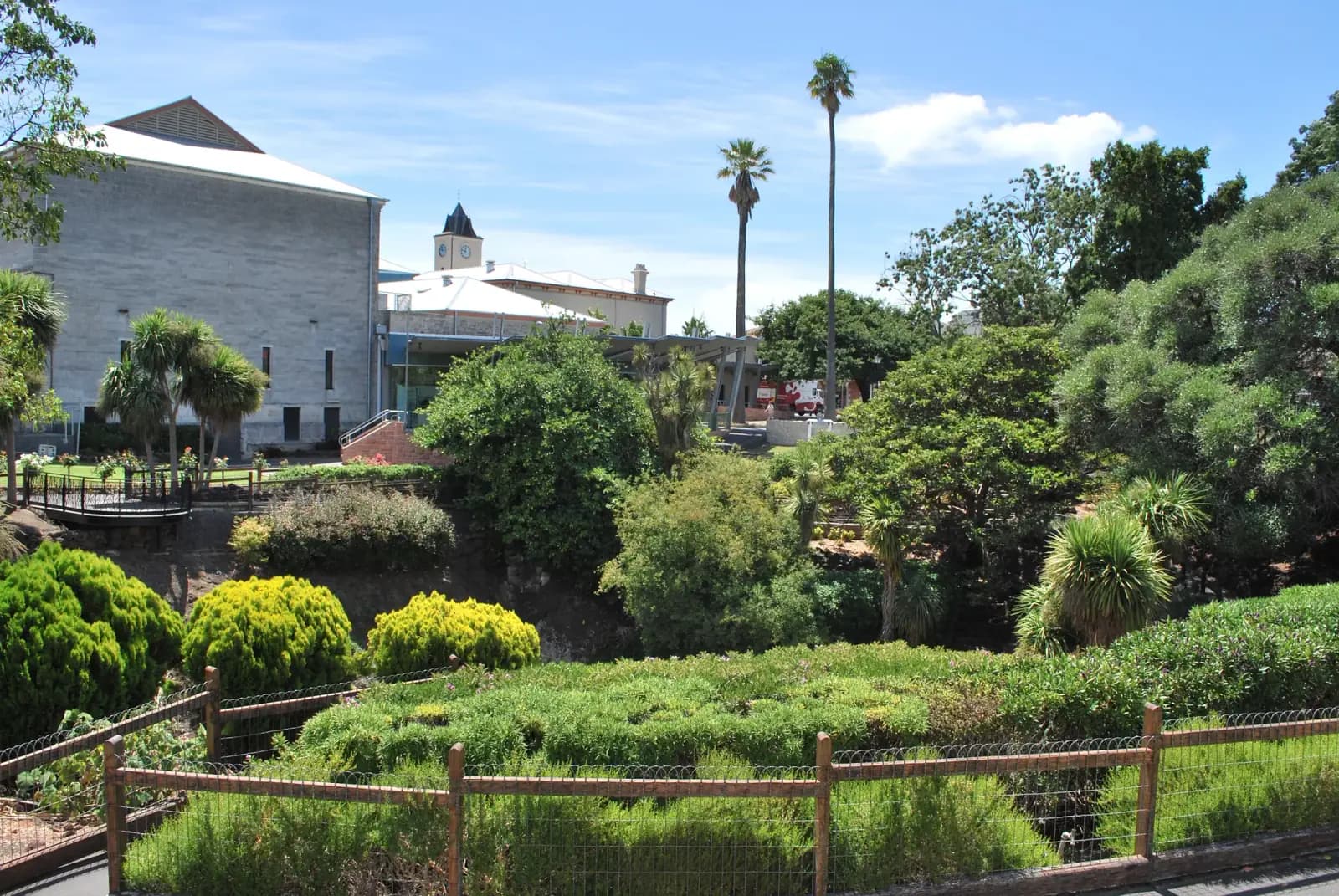
The sinkhole is surrounded by a small infrastructure: a car park, changing sheds, toilets, a viewing platform, and a dock area with rope anchored to the bottom. The owners have made significant investment in making the site accessible and freediver-friendly.
Depth Zones
- Surface to 5m: The snorkeling zone. Extraordinary visibility for snorkeling — you can see to 50m depth from the surface. Children and non-diving visitors can experience the visual impact of the site without any depth commitment.
- 5–10m: Beginner freediving zone, suitable for AIDA 1 and above. The light shafts are visible here and the size of the sinkhole becomes apparent.
- 10–20m: Intermediate zone. AIDA 2 or equivalent recommended. The halocline typically appears in this range. Cold thermocline layers possible.
- 20m+: Advanced zone. Requires depth experience, proper training, and buddy supervision. Some sections are depth-restricted — respect all markers and rope boundaries.
Light Shafts
Kilsby's light shafts are legendary among Australian freedivers. From approximately 9am to 11am on clear days, sunlight enters the sinkhole at an angle that creates visible beams through the water column. These shafts change position and intensity as the sun moves — early morning is typically the most spectacular. Schedule your dives accordingly.
Booking and Entry
Kilsby Sinkhole is private property and access requires advance booking. Visit kilsbysinkhole.com.au to check availability and book online. Entry fees apply — check the website for current pricing as these are subject to change.
Key booking notes:
- Weekend slots fill quickly, particularly in summer. Book 4–6 weeks ahead for peak periods.
- Group bookings (freediving school retreats) are common — check availability early if planning a group visit.
- The site operates during daylight hours only.
- Rules are enforced — stay within depth limits, use the provided rope and buoy system, no penetration of any underwater cavern sections.
Freediving at Kilsby
Kilsby is a training paradise. The unique combination of crystal clarity, constant temperature, and controlled environment makes it ideal for:
Depth Progression
Seeing clearly at depth changes everything about depth progression. In murky bay water, the bottom appears suddenly — there is no visual sense of descent. At Kilsby, you watch the rope descend beneath you and the light above you diminish gradually. This provides feedback that bay diving cannot, and many divers find they can relax more completely because they can see their surroundings clearly.
Freefall Practice
Freefall — the passive phase of a freedive where the diver stops finning and sinks neutrally — requires depth to practice properly. At Kilsby, with a long rope and perfect visibility, you can truly explore your freefall and feel what a passive descent feels like. This translates directly to better technique in the bay.
Equalization Practice
Consistent conditions mean equalization is the limiting factor, not conditions. Divers working on Frenzel technique and mouthfill equalization find Kilsby a valuable training environment because depth can be approached systematically without variability from surge or current. See our equalization guide for technique notes before your visit.
What to Bring
- Wetsuit: 3mm is sufficient for most divers at 17°C for sessions up to 90 minutes. 5mm for those who run cold or are planning a full day.
- Fins: Your standard freediving fins — bifins or monofin both work well at Kilsby.
- Mask and snorkel: Low-volume mask is ideal for deeper dives.
- Dive computer: Highly recommended for tracking depth and surface intervals.
- Rope/buoy: The site provides a rope system — confirm what to bring with your booking confirmation.
- Food and water: Bring your own — there are no catering facilities at the site. Keith (20 minutes) has a supermarket and bakery.
- Sun protection: You will spend hours on the surface between dives under clear SA skies.
- Cash or card: Check payment options when booking.
Where to Stay
Accommodation options near Kilsby Sinkhole:
- Keith: The nearest town (~20 minutes). Motels and caravan parks available. Basic but functional for a dive weekend.
- Naracoorte (~30 minutes): Larger town with more accommodation options including a Holiday Inn Express. Better dining options. A good base if you want comfort after a long dive day.
- Bordertown (~50 minutes): On the Melbourne side — useful for an early departure. Motel-standard accommodation available.
Making a Weekend of It
Kilsby pairs well with other nearby attractions for a fuller SA weekend:
- Naracoorte Caves: A UNESCO World Heritage site ~30 minutes from Kilsby. Remarkable fossil cave systems — worth a few hours on a non-dive day or Sunday afternoon.
- Coonawarra wine region: Famous Cabernet country is 45 minutes from Kilsby. Cellar doors open weekends.
- Bool Lagoon: Important wetland and bird sanctuary near Naracoorte — interesting for the naturalist in the group.
A typical Melbourne freediver's Kilsby weekend: depart Friday night, arrive Keith late evening. Dive Saturday (arrive at sinkhole for the 9am light shafts). Explore Naracoorte or Coonawarra Saturday afternoon/evening. Dive Sunday morning. Drive home Sunday afternoon — arriving Melbourne around 9pm.
Tips for First-Timers
- Arrive before 9am for light shafts. The morning light transforms the experience. Late arrivals miss Kilsby at its most spectacular.
- Equalise early and often. With perfect visibility and no distractions, it is tempting to push depth quickly. Equalise every metre in the first 10 metres. A failed equalisation cuts a Kilsby weekend short.
- Enjoy the shallows too. The view from 5 metres looking down into the depths is itself extraordinary. Not every dive needs to be a depth record attempt.
- Respect the surface interval rule. The 2:1 ratio (rest at least twice your dive time) is important at Kilsby — the depth and clarity can make it tempting to push frequency. See our freediving safety rules guide.
- Go with others. Either join a school retreat or organise with a group of certified buddies. The experience is significantly better in a group, and the buddy requirement is non-negotiable.
- Check if your school runs retreats. Salt Sessions runs regular Kilsby weekends — joining a school retreat gives you coaching, logistics, and company. Drifters Freediving also offers Kilsby trips (read this review first).
Frequently Asked Questions
For depth training context and progression tips, see our depth training guide and breath hold training guide.