Williamstown & Inner Bay Snorkeling
Western Melbourne's underwater world — Jawbone Marine Sanctuary, Gem Pier, Altona, and Point Cook within 35 minutes of the CBD.
Last updated:
Melbourne's snorkeling conversation is dominated by the eastern and southern bay — Ricketts Point, Rye Pier, Flinders. The western side of Port Phillip Bay gets far less attention, which is surprising given how accessible it is and how much is there to find.
Williamstown is 15km from the CBD. The Williamstown train line gets you there in 40 minutes. And in the water around the Williamstown foreshore, there are seahorses, Port Jackson sharks, eagle rays, cuttlefish, and blue-ringed octopus — all within a marine sanctuary that most Melburnians have never heard of.
Why the Western Bay?
The western shore of Port Phillip Bay has a geography that makes it uniquely accessible and comfortable for snorkeling. The prevailing south-westerly winds that can churn up the eastern bay are blocked by the bulk of the Mornington Peninsula, leaving the western sites calm when eastern sites are uncomfortable.
The inner bay also has a distinct character from the outer bay and ocean-facing sites. The water is shallower, the habitats more varied (seagrass, mangroves, sandy flats, and rocky reef within short distances of each other), and the species mix reflects the calmer, warmer inner-bay environment. Different animals — not fewer animals.
Jawbone Marine Sanctuary — The Main Event
Jawbone Marine Sanctuary is the centrepiece of western bay snorkeling. Our dedicated Jawbone guide covers it in full detail — the short version:
- 30-hectare no-take marine reserve at Norfolk Reserve, Williamstown
- Three habitat types: seagrass meadows, rocky reef, and mangrove edge
- Seahorses, Port Jackson sharks, eagle rays, cuttlefish, blue-ringed octopus, nudibranchs
- 0–5m depth, sheltered, easy shore entry
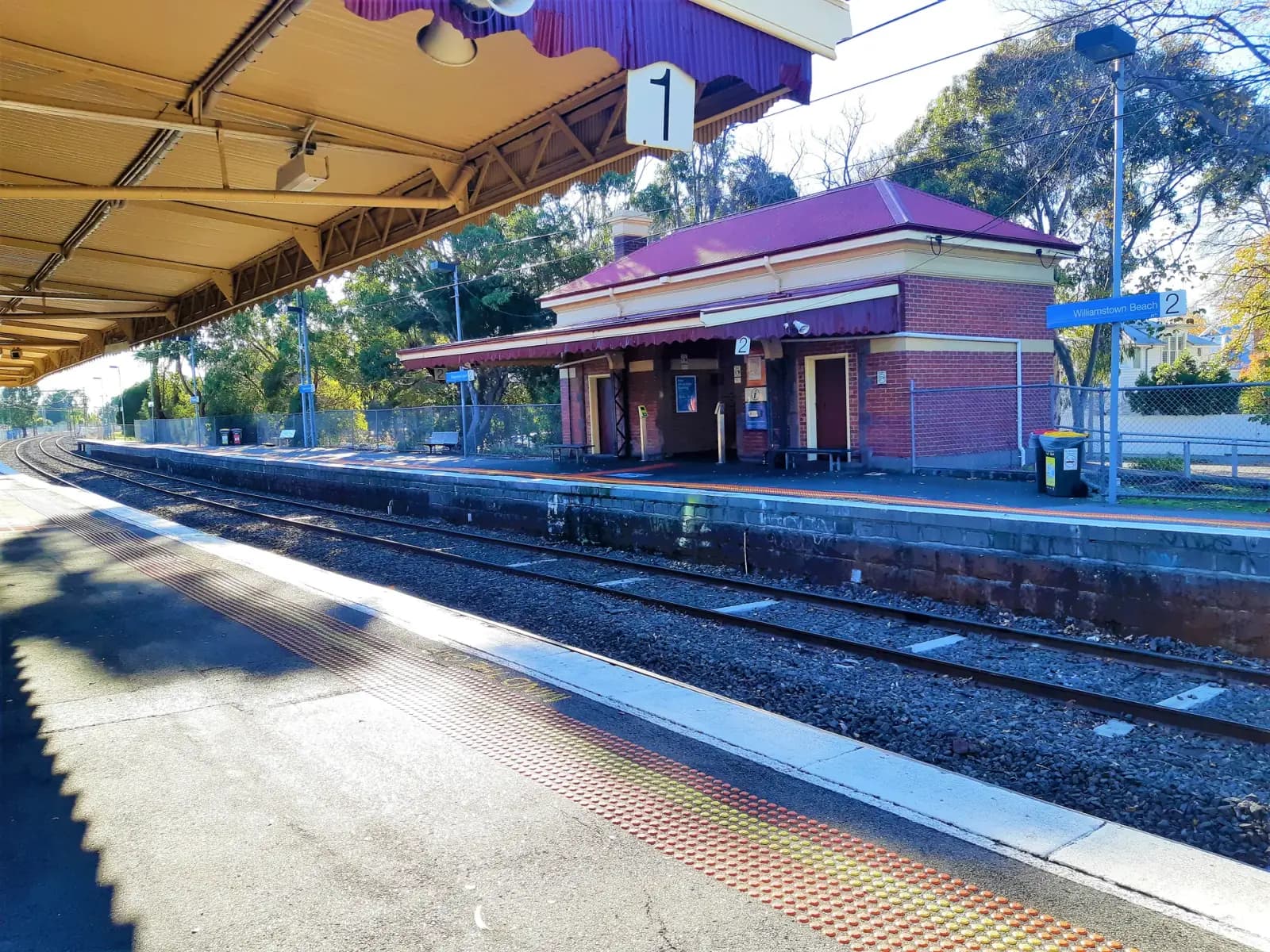
- Accessible by train (Williamstown Beach station, 15-minute walk)
- Free parking, toilets, and picnic area at the reserve
Jawbone is Melbourne's closest marine sanctuary to the CBD and one of the best beginner snorkeling sites in Victoria. Start here.
Gem Pier, Williamstown
Gem Pier sits at the end of Nelson Place in central Williamstown — the historic waterfront precinct with cafes, restaurants, and a craft brewery. The pier serves as the departure point for the Williamstown–Docklands ferry, so boat movements are regular and scheduled.
Snorkeling at Gem Pier is possible but requires awareness. The pier pylons support sponges, ascidians, and small fish communities — interesting in a modest way. The nearby rocky foreshore south of the pier is better for marine life than the pier itself. Depth is 1–3m in most accessible areas.
Check the ferry schedule before entering the water near the pier. The Williamstown ferry operates regularly and boat wash near a working pier can be disorienting for surface swimmers. Stay clear of the ferry berth and active areas.
The foreshore north of the pier — along The Strand toward Jawbone — is the better snorkeling zone and avoids vessel traffic entirely.
Altona Beach & Foreshore
Altona Beach is a broad, sandy inner-bay beach 5km south-west of Williamstown. The snorkeling here is less spectacular than Jawbone — shallow, sandy, and with modest visibility — but it has its own character and is very accessible for western suburbs residents.
The seagrass beds off Altona Beach hide flathead, which are experts at camouflage against sandy substrate. Small octopus are occasionally found in rocky rubble areas. Leatherjackets and garfish are common in the shallows. Not a destination snorkeling site, but a pleasant local dip with genuine wildlife encounters if you look carefully.
Depth is 1–3m in the snorkeling zone. Entry is from the beach — straightforward and sandy. Car parking at Altona foreshore reserve. No marine sanctuary protection here — recreational fishing is permitted, so the marine life is somewhat more skittish than at Jawbone.
Point Cook Marine Area
Point Cook Coastal Park is approximately 25km south-west of Melbourne CBD, roughly 35 minutes drive. The rocky foreshore at Point Cook — adjacent to the Homestead and Cheetham Wetlands area — offers the western bay's most diverse rocky reef snorkeling.
The Point Cook Marine National Park covers a section of this coastline — no fishing, no collecting. The rocky reef in 1–4m of water supports sea urchins, sea stars, sponges, various fish species including wrasse and sweep, and occasional nudibranchs. Visibility is typically better here than Altona or Williamstown proper — 3–7m in good conditions.
Entry is from the rocky foreshore adjacent to the car park at the coastal park — booties are recommended. Check the Parks Victoria website for current access conditions, as parts of the coastal park can have restricted access.
Conditions & Visibility
Inner bay western side conditions are among the most reliable in Melbourne for snorkeling:
- Wave/swell: Negligible on all sites — this is inner bay, sheltered from Bass Strait
- Wind: Southerly and south-westerly winds (prevailing) leave the western bay calm. North and north-easterly winds can create some chop in summer but still manageable.
- Visibility: Variable. Winter/spring (June–October): 4–8m at Jawbone, 3–6m at Point Cook. Summer (December–February): 1–4m across all sites due to plankton.
- Rain impact: Significant. The Kororoit Creek adjacent to Jawbone and stormwater drains along the western bay shore reduce visibility sharply after heavy rain. Allow 48–72 hours after significant rainfall before visiting.
Getting There
Williamstown (Jawbone, Gem Pier)
- Train: Williamstown line from Flinders Street or Southern Cross to Williamstown Beach station (~40 min). Walk 15 minutes south along The Strand to Norfolk Reserve.
- Car: Westgate Freeway west, exit Williamstown Road, south to Williamstown, right on Kororoit Creek Road. ~25 min from CBD.
- Bike: Coastal Trail from inner suburbs, linking to Port Melbourne and Williamstown along the foreshore.
Altona
- Car: Westgate Freeway west, exit Millers Road south, then along Millers Road to Altona foreshore. ~30 min from CBD.
- Public transport: Bus from Laverton or Altona train stations (limited service — car is practical).
Point Cook
- Car only: Westgate Freeway west, Princes Freeway west, exit Point Cook Road south. Follow to Point Cook Coastal Park entrance. ~35 min from CBD.
Best Time to Visit
- For visibility: June–September (winter, clear water, 4–8m visibility). Cold — 5mm wetsuit with hood essential.
- For warmth: December–February (summer, 19–22°C). Lower visibility (1–4m) but comfortable in a 3mm wetsuit.
- For cuttlefish: April–June (autumn breeding season)
- For spider crabs: May–June (they concentrate in the shallows — Jawbone occasionally has edge-of-migration aggregations)
- Avoid: 48 hours after heavy rainfall
Tips for Inner Bay Snorkeling
- Go slow. Inner bay marine life is small, well-camouflaged, and present in every seagrass stem. Fast swimmers miss everything. Float, hover, and look.
- Check for blue-ringed octopus. They are present throughout the western bay rocky areas. Never touch any octopus.
- Wear a wetsuit. Even in summer, the inner bay sits at 19–22°C — cold enough to be uncomfortable after 30 minutes in a swimsuit.
- Williamstown as a full day. The historic Williamstown foreshore, maritime museum, craft brewery, and Nelson Place restaurants make this a genuine half-day destination before or after your snorkel.
- Combine sites. Jawbone to Gem Pier foreshore is a pleasant 2km walk — an easy combination for a morning out.
For more on marine sanctuaries around Port Phillip Bay, see our marine sanctuaries guide. For a broader Melbourne snorkeling overview, see best snorkeling spots Melbourne.