Jawbone Marine Sanctuary
Melbourne's closest marine reserve — seahorses, Port Jackson sharks, and calm sheltered water just 15km from the CBD.
Last updated:
Most Melbourne snorkelers spend an hour driving to Ricketts Point or further to the Mornington Peninsula. They're missing something special in their own backyard.
Jawbone Marine Sanctuary sits on the Williamstown foreshore in Melbourne's western suburbs — 15km from the CBD, 25 minutes by train, and home to a surprisingly diverse assemblage of marine life that most locals don't know exists. Seahorses in the seagrass. Port Jackson sharks under rocky ledges. Eagle rays cruising the sandy channels. And all of it in water so sheltered and calm that you can snorkel here on days when every ocean-facing site in the bay is blown out.
This is Melbourne's hidden snorkeling gem — and it's entirely free.
Why Jawbone?
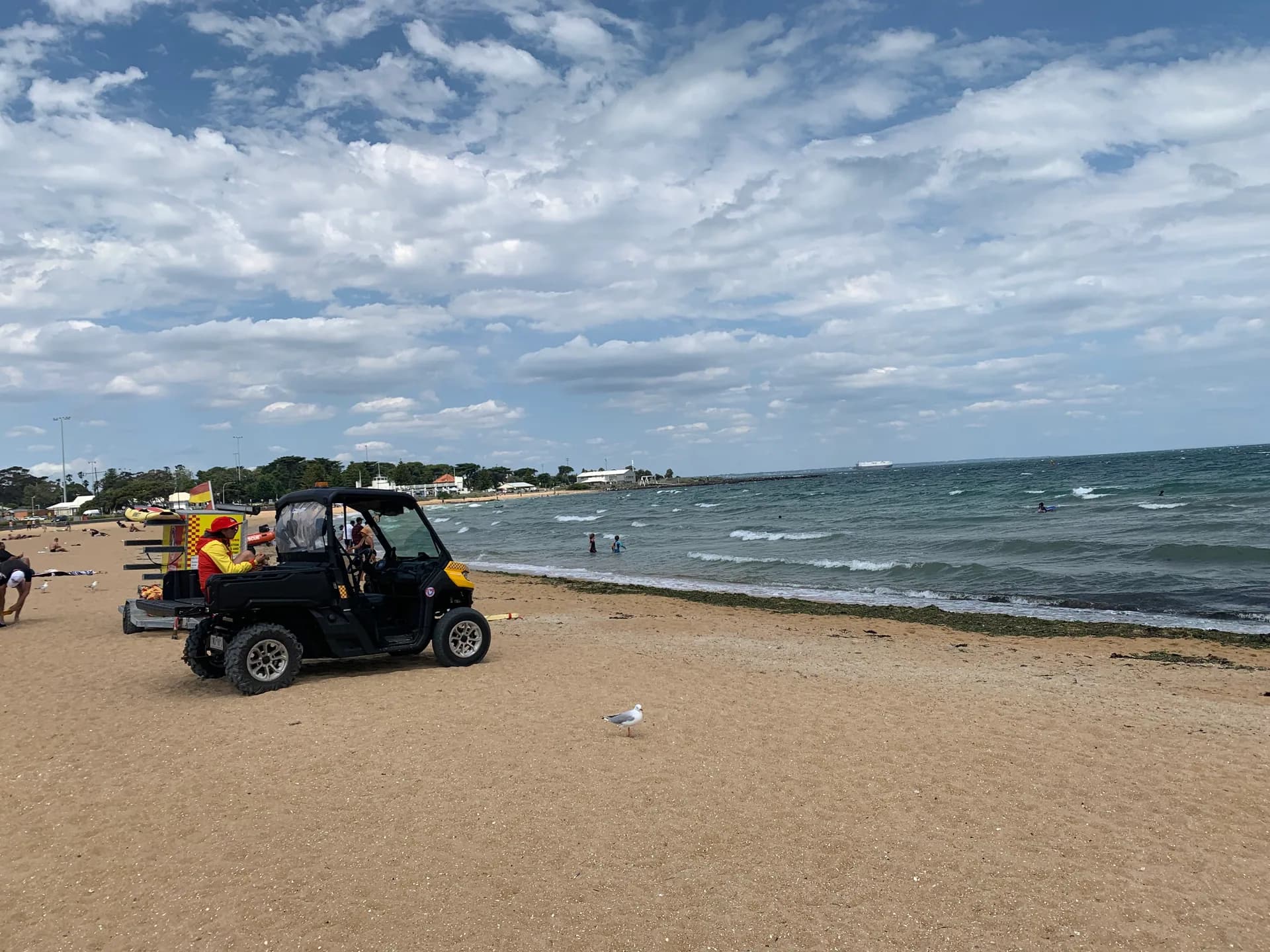
Jawbone Marine Sanctuary is a 30-hectare no-take marine reserve protecting a stretch of the western Port Phillip Bay shoreline. Unlike most of Melbourne's popular dive sites — which cluster on the eastern and southern shores of the bay — Jawbone sits on the western side, sheltered from the prevailing south-westerly winds by the bulk of the Mornington Peninsula.
This geography makes Jawbone uniquely accessible. When a 25-knot sou'westerly is churning up Rye Pier and making Flinders Pier uncomfortable, Jawbone is often flat calm. For beginners, families, and anyone who doesn't want to battle conditions, that reliability is invaluable.
The sanctuary's status as a no-take reserve means fish are less skittish, marine life density is higher than unprotected areas, and the ecosystem functions more naturally. You'll notice the difference — animals behave normally rather than fleeing at the first sign of a snorkeler.
Location and Getting There
Jawbone Marine Sanctuary is located at Norfolk Reserve, Williamstown, on the northern shore of Hobsons Bay. The reserve runs along the foreshore between Kororoit Creek Road and The Strand.
- Address: Norfolk Reserve, Kororoit Creek Road, Williamstown VIC 3016
- Drive from Melbourne CBD: ~25 minutes via Westgate Freeway and Kororoit Creek Road
- GPS coordinates: approximately -37.868°S, 144.888°E
By Train
The Williamstown railway line runs from Flinders Street Station to Williamstown Beach. From Williamstown Beach station, walk approximately 15 minutes south along The Strand to reach the Norfolk Reserve entry. This is one of the few Melbourne dive sites genuinely accessible without a car — a significant advantage for those who don't want to deal with parking or travel with dive gear on busy roads.
By Car
From the Westgate Freeway, exit at Williamstown Road and follow signs toward Williamstown. Turn left onto Kororoit Creek Road and continue to the Norfolk Reserve car park. Parking is free and relatively easy outside summer weekends.
By Bike
The Coastal Trail connects Williamstown to the Maribyrnong River Trail, which links back to inner-city Melbourne. Cycling to Jawbone from the CBD takes approximately 45–60 minutes along off-road paths for most of the route.
The Marine Sanctuary
Jawbone Marine Sanctuary was established in 2002 as part of Victoria's network of marine protected areas around Port Phillip Bay. It is a no-take sanctuary — no fishing, no collecting, and no disturbing marine life. Snorkeling and freediving are permitted and encouraged.
The sanctuary encompasses three distinct habitat types, each supporting different species:
Seagrass Meadows
The bulk of Jawbone's shallow water is covered in dense seagrass — primarily Zostera muelleri and Halophila species. These meadows are nursery grounds for juvenile fish, hunting grounds for seahorses and pipefish, and refugia for flathead, garfish, and bream. The seagrass extends from the shoreline to approximately 3 metres depth across most of the sanctuary.
Rocky Reef
Along the northern section of the sanctuary, natural reef outcrops provide habitat for sponges, bryozoans, and ascidians. These rocky areas attract Port Jackson sharks, blue-ringed octopus, and nudibranchs. The reef is low-profile — rarely more than 1–2 metres above the sandy bottom — but the overhangs and crevices shelter a concentrated community of invertebrates.
Mangroves
The northern end of the sanctuary near Kororoit Creek has a small stand of mangroves — an unusual feature for Port Phillip Bay and one that creates additional habitat complexity. The prop roots and muddy substrate host juvenile fish and crustaceans. Snorkeling in the mangrove edge is shallow (0.5–1m) but rewarding for macro life.
Marine Life
Jawbone's diversity surprises first-time visitors. For an inner-city, sheltered bay site in relatively shallow water, the species count is impressive.
Seahorses and Pipefish
White's seahorse (Hippocampus whitei) and the big-belly seahorse (Hippocampus abdominalis) are both found at Jawbone, anchoring themselves to seagrass stems with their prehensile tails. They're small and well-camouflaged — look slowly and carefully in the seagrass, not for the animal itself but for the subtle vertical shape that doesn't quite move with the current like the surrounding grass. Pipefish (seahorse relatives, elongated and stick-like) are more common and easier to spot once your eye is trained.
Port Jackson Sharks
Port Jackson sharks (Heterodontus portusjacksoni) rest on the sandy bottom under rocky overhangs during the day, often in groups of two or three. They are completely harmless to snorkelers — slow-moving, nocturnal hunters that feed on invertebrates. Their distinctive harness-like markings make them easy to identify. Approach slowly from the side or above; they will often remain motionless if you don't disturb the water aggressively.
Eagle Rays
Australian eagle rays (Myliobatis australis) cruise the sandy channels between seagrass beds, using their distinctive snouts to root out buried invertebrates. A ray gliding overhead — wingspan up to 1.5 metres, white-spotted back, long whip tail — is one of Jawbone's signature encounters. They're skittish if approached directly; let them come to you by remaining still.
Cuttlefish
Giant cuttlefish (Sepia apama) appear seasonally at Jawbone, particularly in autumn and winter. They're masterful colour-changers and will often mimic the seagrass texture beneath them. Watch for the rippling chromatic display as they change colours — one of the most remarkable things to witness in local waters. For a deeper guide, see our cuttlefish guide.
Blue-Ringed Octopus
Jawbone has blue-ringed octopus (Hapalochlaena sp.) — small, brown and mottled at rest, flashing iridescent blue rings when threatened. They are one of the world's most venomous animals and deliver a painless but potentially fatal bite. The rule is simple: look, never touch. Give them space. They will not attack unless provoked or accidentally handled. This is not a reason to avoid Jawbone — it's a reason to dive mindfully.
Fish
Common fish species include silver biddies, mullet, luderick (rock blackfish), leatherjackets in numerous varieties, garfish skimming the surface, flathead resting on sandy substrate, and occasional schools of yellow-eye mullet moving through in tight formation. Snapper are possible but rare in the sanctuary.
Invertebrates
The reef sections support sponges in orange, yellow, and white — encrusting the rock surfaces alongside colonial ascidians and bryozoan fans. Nudibranchs appear in spring and summer when water temperatures rise. Sea stars — including the large eleven-armed sea star (Coscinasterias muricata) — are common on rocky substrates.
Freediving at Jawbone
Jawbone is an excellent freediving site, particularly for newer divers building skills and bottom time before venturing to deeper sites.
The depth profile is forgiving: 0–2 metres in the shallows, 3–5 metres in the deeper sandy channels, rarely exceeding 6 metres within the sanctuary. This means even beginner freedivers with 5–10 metres depth can reach the bottom everywhere in the sanctuary and spend meaningful time with marine life. There is no need to rush or push depth limits — everything interesting is accessible to a relaxed, equalized descent.
The shelter from wind and chop makes breathe-up more comfortable than exposed sites. You can float relaxed on the surface, take your time, and descend when ready without being jostled by swell. This is particularly valuable for divers working on their relaxation and pre-dive breathing technique.
For depth training and longer dives, Jawbone is less suitable — the shallow profile simply doesn't offer the depth required. Head to Queenscliff for boat access to deeper sites, or see our depth training guide for suitable Melbourne venues.
Snorkeling at Jawbone
Jawbone is genuinely one of Melbourne's best snorkeling sites. The combination of calm water, diverse habitats in a small area, and easy access makes it ideal for:
- First-time snorkelers and those introducing children to the water
- Photographers wanting to spend time with macro subjects without fighting currents
- Experienced divers wanting a relaxed, exploratory session close to the city
- Anyone wanting a quick after-work or weekend dip within 30 minutes of the CBD
Entry Points
The main entry is from the beach adjacent to the Norfolk Reserve car park. The entry is a mix of sand and small rocks — wear booties or old shoes to protect your feet and fins that fit over footwear. Wade in to knee depth before putting fins on.
A second entry further south along the reserve gives access to the deeper sandy channel area and is better for eagle ray sightings. Both entries are calm and straightforward in typical inner-bay conditions.
Suggested Route
From the main entry, swim north-east toward the low reef outcrops — look for the colour change on the surface where the reef starts. Explore the reef edge slowly for Port Jackson sharks under overhangs and nudibranchs on the surface. Work back through the seagrass beds toward the mangrove edge, scanning carefully for seahorses. Then cross the central sandy channel in the hope of an eagle ray encounter. Total circuit: approximately 400–600 metres at a relaxed pace.
Best Conditions
Jawbone's inner-bay location makes it one of Melbourne's most weather-resilient sites, but conditions still matter.
- Best visibility: Winter and early spring (June–September). Bay water clears significantly as plankton blooms subside. Visibility can reach 6–10 metres in ideal conditions.
- Warmest water: December–March (19–22°C). Summer is pleasant without a thick wetsuit.
- Worst visibility: Late summer (February–March) when north-easterly winds push surface algae. Also avoid 48 hours after heavy rain — Kororoit Creek drains directly adjacent to the sanctuary.
- Wind direction: North to north-east winds can stir up sediment in the shallows. South and south-west winds (the prevailing pattern) are blocked by the peninsula geography, leaving the site calm.
- Tides: Higher tide gives more water over the shallow seagrass and makes the site more comfortable. Low tide can expose the reef to just 0.5m depth in some sections.
Parking and Facilities
- Car park: Free parking at Norfolk Reserve on Kororoit Creek Road. Fills on summer weekend afternoons but is rarely a problem at other times.
- Toilets: Public toilets in the Norfolk Reserve picnic area, approximately 100 metres from the main entry.
- Change facilities: None — change at your car or in the public toilet.
- Picnic area: Tables and BBQs in Norfolk Reserve — good for post-dive lunch.
- Nearest food: Williamstown town centre (Nelson Place) is a 10-minute walk with cafes, restaurants, and a bakery.
- Gear hire: No hire available at the site. Nearest gear hire is in central Melbourne.
Tips for the Best Experience
- Go slow. Jawbone rewards patience. The seahorses and blue-ringed octopus won't be found by swimming fast — hover motionless above the seagrass and let your eyes adjust to the details.
- Wear a wetsuit. Even in summer, the water is cool enough (19°C) to make a 3mm wetsuit comfortable. In winter, 5mm minimum.
- Check the tide. A mid to high tide makes the sanctuary most enjoyable. Low tide can make entry rocky and shallow sections uncomfortably tight.
- Bring a dive flag. While there is minimal boat traffic in the sanctuary, marking your position is good practice and required by law when freediving in Victoria.
- Never touch anything. This applies especially to blue-ringed octopus, but also extends to all marine life in a marine sanctuary.
- Come on weekdays. Jawbone gets busy on summer weekends. A Tuesday morning visit is a completely different experience — you may have the sanctuary entirely to yourself.
- Combine with Williamstown. The historic foreshore precinct, craft brewery, and cafes along Nelson Place make Jawbone a full half-day experience.
Frequently Asked Questions
For more Melbourne dive sites, see our best snorkeling spots guide and guide to Melbourne's marine sanctuaries.