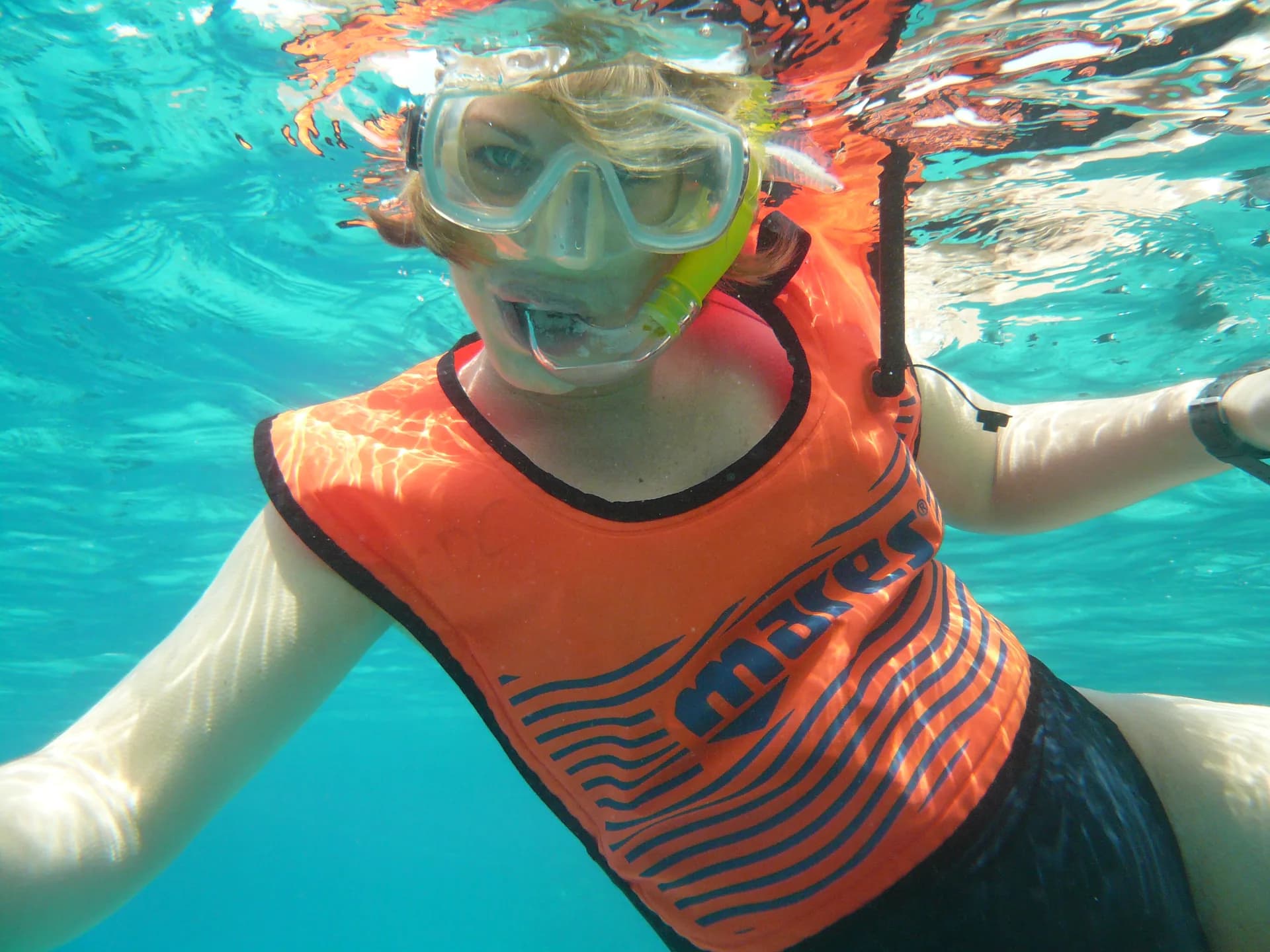
Family Snorkeling on the Mornington Peninsula
The best spots for snorkeling with kids — calm water, good marine life, easy access, and what children of different ages can enjoy.
Last updated:
The Mornington Peninsula's inner bay coastline — from Mornington down to Rye — offers some of the best family snorkeling in Victoria. Sheltered from ocean swell, with sandy entries, good facilities, and genuine marine life within arm's reach of the surface, these sites work for children as young as 5 and adults who have never snorkeled before.
This guide focuses specifically on family-friendly snorkeling — calm conditions, appropriate depths, interesting marine life for children, and practical information about facilities and getting there.
Why the Mornington Peninsula for Families
The inner bay side of the Mornington Peninsula has several characteristics that make it ideal for family snorkeling:
- Sheltered from swell: The bay faces north and west — prevailing south-westerly winds and Bass Strait swell do not reach these beaches. Conditions are calm year-round on the bay side.
- Sandy entries: Most bay-side beaches have gentle sandy entries — no rocky scrambles that intimidate children or parents carrying gear.
- Shallow depth: The snorkeling zone at most sites is 1–3m — children can stand up if needed, and parents can supervise easily from the surface.
- Genuine marine life: Unlike some inner-bay sites, the Mornington Peninsula bay beaches have sea grass, reef, and pier habitat that supports diverse and visible marine life — not just sand.
- Good facilities: Toilets, change rooms, car parking, and beachfront cafes at Rye, Mornington, and Sorrento.
- 90 minutes from Melbourne CBD: Accessible for a day trip without an early start.
Rye Pier — Best Overall Family Spot
Rye Pier is the top recommendation for family snorkeling on the Mornington Peninsula. The Mornington Peninsula Dive Club has created an underwater trail called the Octopus Garden — numbered posts along the pier pylon line with octopus housed in terracotta pots and artificial habitat. Children love hunting for each octopus and ticking off the posts.
What Makes Rye Ideal for Families
- Calm, sheltered bay — rarely any wave action
- Sandy beach entry — easy for children carrying fins
- Snorkeling depth 1–3m — children can stand in the shallower areas
- Octopus Garden trail with numbered posts — keeps children engaged and goal-oriented
- Marine life signs identify what children see underwater
- Good toilet and change room facilities at the beach
- Cafe and ice cream at the nearby foreshore — essential post-snorkel reward
- Designated snorkeling area away from fishing lines (check pier rules)
What to See at Rye
Common octopus in the trail pots (the main attraction), leatherjackets (curious and will approach snorkelers), sea stars, sea urchins, crabs, flathead on the sand, and in autumn, spider crabs in remarkable numbers. Occasionally Port Jackson sharks rest on the sand under the pier.
Our complete Rye Pier snorkeling guide covers the site in full detail.
Mornington Pier
Mornington Pier is an excellent second choice for families — slightly longer drive from Melbourne (85km vs Rye's 100km) but excellent for marine life. The pier is historic, the foreshore is attractive, and the town of Mornington has good cafes and restaurants for a family day out.
The marine life at Mornington Pier is diverse and often spectacular: seahorses are regularly seen around the pylons, anglerfish sit camouflaged on the sandy bottom, and the pier is one of the better spots for encountering wobbegong sharks resting on the bottom. Children who have never seen a seahorse in the wild are consistently delighted.
Practical Notes for Families
- Entry from the beach adjacent to the pier — sandy and easy
- Depth 1–4m in the snorkeling zone
- The pier itself is used by fishing boats — a surface marker buoy is recommended
- Toilets and change rooms at the foreshore reserve
- Mornington Main Street (a 10-minute walk) has cafes and ice cream
Ricketts Point Marine Sanctuary
Ricketts Point is in Beaumaris — technically Port Phillip Bay's bayside suburbs, not the Mornington Peninsula, but it deserves inclusion as the most accessible family snorkeling site from Melbourne (20km from the CBD).
The Ricketts Point Marine Sanctuary has a rocky reef platform visible from the shore. Guided snorkeling tours run through the sanctuary during summer and school holidays — these are excellent for children as knowledgeable guides identify marine life in real time. Even unguided, the reef is shallow and rich with sea stars, urchins, sponges, and fish.
Entry is from a gentle sandy beach beside the rocky platform. Facilities at the Beaumaris Boat Club next door. Car parking available. The sanctuary is protected — no fishing, no collecting, no damage.
See our Ricketts Point snorkeling guide for full details and guided tour information.
Sheltered Bay Beaches
Beyond the pier sites, several sheltered bay beaches on the peninsula offer pleasant snorkeling for families willing to explore away from the piers:
Mount Martha Beach
Rocky reef sections off Mount Martha beach support sea stars, wrasse, and small reef fish in 1–3m. Not a destination snorkel site but pleasant for children exploring the rocky sections adjacent to the main beach. Good facilities including the Martha Cove marina area.
Safety Beach
The sheltered calm of Safety Beach makes it suitable for beginners and very young children. Depth is very shallow — 0.5–2m in most snorkeling areas. Marine life is limited but the calm conditions make it ideal for a child's first snorkel.
Sorrento Front Beach
Sorrento's front beach faces the bay and is calm and sheltered. The rocky areas on either side of the main beach have sea stars and small fish. Dolphins are occasionally seen from the beach and in the water. The nearby Sorrento pier is a dive site but active with boat traffic — snorkeling at the pier requires adult supervision and awareness of vessels.
Age Guide for Family Snorkeling
- Under 5: Rockpool exploration at the beach edge rather than active snorkeling. The rocky foreshore at low tide exposes sea stars, crabs, and small fish in pools — fascinating for toddlers.
- Age 5–7: First snorkel. Warm water (19–22°C summer), shallow depth (1m), parent directly alongside. A floating vest significantly reduces anxiety. Short sessions of 10–20 minutes.
- Age 7–10: Genuine snorkeling. Can manage mask and snorkel independently. Rye Pier Octopus Garden trail is ideal — the trail posts give focus and direction. 30–45 minute sessions comfortable.
- Age 10+: Confident snorkeling in 1–3m depth. Can explore along the pier pylons independently while parents supervise from close range. Suitable for all the pier sites.
- Age 12+: Can undertake guided snorkeling programs. Old enough to consider a beginner freediving lesson.
Gear for Kids
Mask and Snorkel
Children's masks come in smaller sizes for ages 4–8 and junior sizes for ages 8–12. A properly fitting mask that seals against the face is critical — a leaking mask ruins the experience. Test the seal by pressing the mask gently to the face without the strap: it should stick from suction alone. Avoid novelty full-face masks for children, which can complicate clearing water and cause issues for non-swimmers.
Wetsuit
Children cool faster than adults. A 2–3mm shorty wetsuit is recommended for summer, 3mm full suit for autumn/spring, 5mm for winter. Children's wetsuits are available to hire at Rye and Mornington beachfront shops if you do not want to purchase. Hire is typically $10–15 per session.
Fins
Open-heel adjustable fins work for a range of shoe sizes and are easier for children to put on and take off. Full-foot fins in the correct size are more efficient but less forgiving for children whose feet are growing. For short sessions in calm water, fins are optional for children who are comfortable swimming without them.
Snorkel Vest
An inflatable snorkel vest (different from a life jacket) provides positive buoyancy at the surface without restricting movement. Excellent for children who are not confident swimmers — they can focus on looking at marine life rather than staying afloat.
What Children Will See
Set expectations appropriately — Port Phillip Bay's marine life requires looking carefully, not just glancing. Brief children before entry:
- Octopus: At Rye Pier, look inside the terracotta pots. The octopus often peeks out, watching back.
- Sea stars: Orange, purple, and red sea stars on rocky areas throughout the bay
- Leatherjackets: The small grey-green fish that follow snorkelers curiously — children love being followed by fish
- Flathead: Camouflaged on the sand. The trick is noticing the eye — look for the distinctive golden iris.
- Crabs: In rocky rubble and under ledges — often moving when disturbed
- Sea urchins: Purple spiny balls in rocky crevices — look, don't touch
- Spider crabs (autumn): If visiting April–June, there may be large numbers of spider crabs — visually impressive
Seahorses are genuinely exciting but require a slow, observant eye. They are more accessible at Mornington Pier than Rye.
Tips for Snorkeling with Kids
- Practice in the bath or pool first. A child who has never worn a mask will spend the first 10 minutes in the ocean fighting it. One pool session beforehand makes the ocean experience far better.
- Morning sessions. Wind picks up in the afternoon on the peninsula, and the sun angle in the morning makes underwater visibility better than later in the day.
- Keep sessions short. Children tire and cool faster than adults. 30–45 minutes of actual snorkeling is enough for most children under 10. Plan for a beach break, snack, and playground rather than expecting an adult-length dive session.
- Brief children about what they'll see — and what not to touch. Advance briefing builds excitement and prevents harmful interactions. Specifically: never touch any octopus (blue-ringed octopus are present throughout the bay and indistinguishable from harmless species to children).
- Bring the underwater camera. A cheap waterproof camera or phone case transforms the experience for children — they become documentarians. Review photos together after the session.
- Go slow. Adults instinctively swim faster than they should. Children who go slow see more. Hold still near a pylon and the marine life comes to investigate.
- Check conditions the morning of. Bay sites are sheltered but check the Bureau of Meteorology for wind direction. A strong north-westerly in summer can create surprising chop on the bay side.
For broader information on snorkeling in Melbourne and family-friendly sites beyond the Mornington Peninsula, see our snorkeling with kids Melbourne guide and our best snorkeling spots Melbourne guide.