Bellarine Peninsula Diving Guide
Portarlington, Indented Head, Ocean Grove, Point Lonsdale, Queenscliff — the quieter western arm of Port Phillip Bay, 1.5 hours from Melbourne.
Last updated:
Every Melbourne diver knows the Mornington Peninsula. Fewer make the drive to the other side of Port Phillip Bay — and that is precisely what makes the Bellarine Peninsula worth visiting.
The Bellarine is the western arm of the bay, stretching from Geelong to the Port Phillip Heads at Queenscliff and Point Lonsdale. It mirrors the Mornington Peninsula in geography but sees a fraction of the diving traffic. The pier sites are calmer, the car parks less crowded, and the marine life every bit as interesting. For freedivers who have exhausted the obvious Mornington sites or simply want somewhere different, the Bellarine is a rewarding alternative.
Overview — The Overlooked Peninsula
The Bellarine Peninsula forms the western shore of Port Phillip Bay, running from Geelong south to the dramatic cliffs at Point Lonsdale and the historic town of Queenscliff. Like the Mornington Peninsula on the eastern side, it has pier diving, marine sanctuaries, and boat access to the best offshore sites.
The peninsula has two distinct diving environments. The inner-bay coast (Portarlington, Indented Head, St Leonards) faces east across the bay — sheltered, calm, and suitable for beginners. The ocean-facing southern coast (Ocean Grove, Barwon Heads, Point Lonsdale) has more exposure to Bass Strait conditions and suits more experienced divers.
Getting There
From Melbourne CBD, the Bellarine Peninsula is approximately 1.5 hours drive:
- Standard route: Princes Freeway (M1) west to Geelong, then Bellarine Highway (B110) toward Queenscliff. Exit for individual towns as signposted.
- Avoiding Geelong CBD: Take the Geelong Ring Road (M1 bypass) and exit onto the Bellarine Highway at the Ring Road interchange — bypasses Geelong CBD entirely.
- Portarlington specifically: From the Ring Road, follow the Portarlington Road northeast along the bay shore.
There is no direct public transport to most Bellarine dive sites — a car is necessary.
Portarlington Pier
Portarlington Pier is the Bellarine's equivalent of the Mornington Peninsula's beginner pier sites — accessible, sheltered, and reliably interesting for marine life.
The pier sits on the northern Bellarine coast, sheltered from southerly swells by the peninsula and facing east across Port Phillip Bay. Conditions are usually calm. The pier pylons have been in place long enough to develop substantial marine growth: encrusting sponges, colonial ascidians, hydroids, and the invertebrate community that feeds on them.
Marine Life
Portarlington is excellent for macro photography and patient exploration. Seahorses are regularly found anchored to seagrass near the pier base. Pipefish cruise the seagrass margins. Nudibranchs appear on the pylons and reef rubble, most commonly in spring and early summer. Blue-ringed octopus inhabit rocky areas near the pier — observe from distance, never touch. Cuttlefish visit in autumn. Flathead rest motionless on the sandy bottom adjacent to the pier.
Depth and Entry
Depth ranges from 2 metres near shore to 5 metres at the pier end. Entry is from the beach adjacent to the pier — a gentle sandy slope. The pier itself has a ladder, though beach entry is easier for most divers. Very beginner-friendly.
Facilities
Car park adjacent to the pier. Public toilets nearby. The Portarlington town centre (main street) is a short walk and has a bakery, cafe, and supermarket. Holiday rentals are available throughout the town.
Indented Head
Indented Head is a small community approximately 10km south of Portarlington. The diving here is rockier and marginally more exposed than Portarlington but still classified as an inner-bay site with generally calm conditions.
Rocky reef extends from the headland into 3–8 metres of water. The reef supports kelp and sponge communities: blue-throated wrasse, sea stars, urchins, and occasional weedy seadragons have been sighted here. The reef edge is worth following slowly for nudibranchs and encrusting invertebrates.
Entry requires navigating some shore rocks — booties are recommended. Best dived at mid to high tide when the rocks are more covered and the reef more accessible.
St Leonards Pier
St Leonards, 6km south of Portarlington, has one of the Bellarine's best pier dive sites. We've written a dedicated St Leonards Pier guide — the short version: the distinctive F-shaped pier structure creates an unusually diverse micro-environment, seahorses are common, nudibranchs are abundant, and dumpling squid appear at night in a remarkable display. It's one of the best macro photography sites in Victoria.
Ocean Grove & Barwon Heads
Ocean Grove and Barwon Heads sit on the southern Bellarine coast where the Barwon River meets Bass Strait. This is a different environment to the inner-bay sites — more exposed, with occasional ocean swell, and requiring more condition-checking before diving.
The rocky shoreline at Barwon Heads provides reef snorkeling in 1–5 metres when conditions are calm. The Barwon Bluff Marine Sanctuary at Barwon Heads Bluff is a protected no-take area — snorkeling is permitted and the bluff rockpools and reef edge harbour interesting life including sea stars, urchins, sea anemones, and fish.
Ocean Grove Beach itself is an ocean beach — surf, beach breaks, and not a typical snorkeling environment. The rocky reef areas at the northern end of the beach, near Barwon Heads, are the productive sections.
Conditions matter here. Check the BOM marine forecast and swell forecast before making the drive specifically for this area. A 1.5m swell makes the shore entries uncomfortable and reduces visibility significantly. Best dived in settled summer conditions with less than 0.5m swell.
Point Lonsdale
Point Lonsdale sits at the south-western tip of the Bellarine Peninsula, at the entrance to Port Phillip Bay. The lighthouse clifftop offers views across the bay entrance — one of the most dramatic coastal lookouts in Victoria. The waters here are world-class for diving, with kelp gardens, rocky reef, and productive marine life.
The snorkeling access is along the rocky foreshore east of the lighthouse, in the relative shelter of the bay side. Depth 2–8 metres. Rocky reef with kelp, sponge, and interesting fish communities. Sea stars and sea urchins are abundant.
The Rip — Critical Warning
The mouth of Port Phillip Bay — known locally as "The Rip" — is one of the most dangerous stretches of water in Australia. The tidal currents at the heads flow at speeds of 4–8 knots during spring tides. Ships and boats regularly struggle to navigate it. For freedivers and snorkelers, The Rip is absolutely off-limits.
Do not freedive or snorkel anywhere near the actual bay entrance. The productive snorkeling at Point Lonsdale is located on the bay side, well away from the tidal current zone. Stay within the calm, sheltered foreshore areas. If you are unsure about conditions, do not enter the water.
Queenscliff — Gateway to the Bay
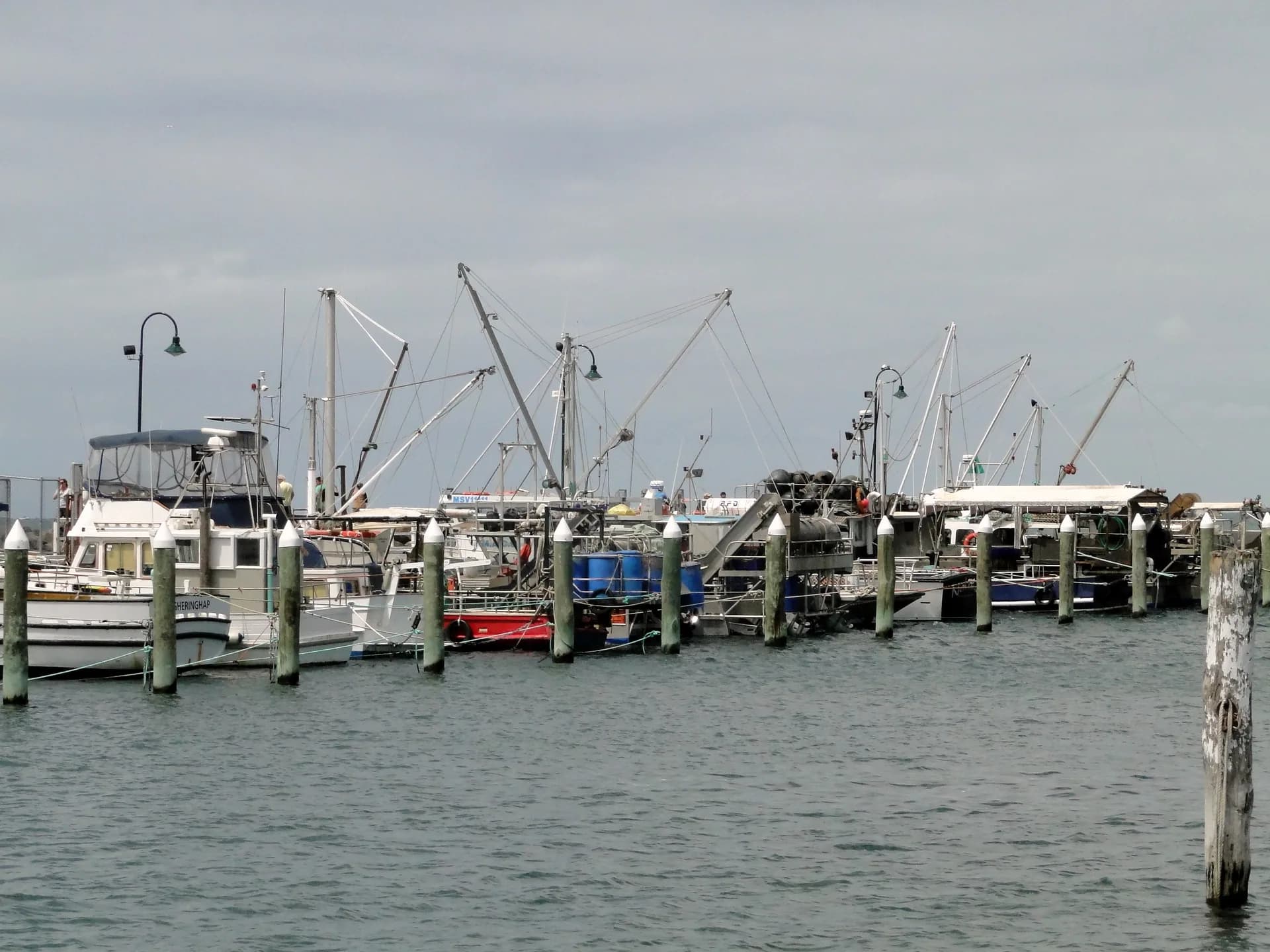
Queenscliff is the premier hub for boat-based diving on the western side of Port Phillip Bay. From Queenscliff Harbour, dive operators run trips to the Lonsdale Wall, Pope's Eye, and the seal colony. We have dedicated guides to both:
- Queenscliff Diving Guide — harbour, shore sites, and boat dive overview
- Pope's Eye Diving Guide — the marine reserve, seals, and kelp forest
- Lonsdale Wall Guide — Victoria's most dramatic underwater scenery
Conditions on the Bellarine
Inner-bay Bellarine sites (Portarlington, St Leonards, Indented Head) are very sheltered. They can be dived in almost any weather conditions — the bay acts as a buffer against open water swell and wind chop from southerly directions.
Visibility on the inner Bellarine follows the same seasonal pattern as the rest of Port Phillip Bay: best in winter and spring (June–October, 4–10m), declining in summer (December–February, 2–5m) with plankton blooms. Avoid all sites after heavy rainfall.
Southern Bellarine sites (Ocean Grove, Barwon Heads, Point Lonsdale) require checking BOM marine forecasts and swell buoy data (the Barcoola swell buoy gives the most relevant readings). Best dived in settled summer and autumn conditions.
Accommodation
The Bellarine has good accommodation options for dive weekends:
- Portarlington: Holiday rentals, Portarlington Holiday Park (camping and powered sites)
- Ocean Grove: Wide range of holiday rentals, motels, and campgrounds
- Queenscliff: Historic bed and breakfasts, boutique hotels — the most characterful accommodation on the peninsula
- Barwon Heads: Holiday rentals popular with families
- Geelong (25–40 minutes from all sites): Full range of accommodation options if you prefer a larger base
Tips
- Combine sites. Portarlington, Indented Head, and St Leonards are all within 15 minutes of each other — a morning-to-afternoon dive day can comfortably cover two of them.
- Check conditions for southern sites. Do not drive to Ocean Grove or Point Lonsdale without checking the marine forecast first — conditions can vary significantly from inner-bay sites.
- The Bellarine is less crowded. Sites that would be packed on Mornington Peninsula equivalents are often quiet here. Use it.
- Queenscliff ferry. The Queenscliff–Sorrento ferry crosses Port Phillip Bay in 40 minutes, connecting the Bellarine and Mornington peninsulas — useful for multi-day dive trips exploring both sides of the bay.
Frequently Asked Questions
For a broader overview of all Melbourne and Victoria dive sites, see our guide to the best freediving spots in Melbourne.