Portsea Pier Diving Guide
Weedy seadragons, kelp forests, and sponge-encrusted pylons at the tip of the Mornington Peninsula — one of Melbourne's most iconic dive sites.
Last updated:
Portsea Pier sits at the very tip of the Mornington Peninsula, where Port Phillip Bay narrows into the Heads and the calm waters of the bay give way to Bass Strait. It is one of Melbourne's most iconic and rewarding dive sites — a place where weedy seadragons drift through thick kelp forests, sponges coat every pylon in vivid colour, and the marine life is as dense as anywhere in Victoria.
Whether you freedive, scuba dive, or snorkel, Portsea Pier delivers. The combination of sheltered pier structure, nutrient-rich water flowing in from the ocean, and a diverse seabed of sand, reef, and seagrass creates a habitat that supports an extraordinary range of species. This guide covers everything you need to know before you get in the water.
Location
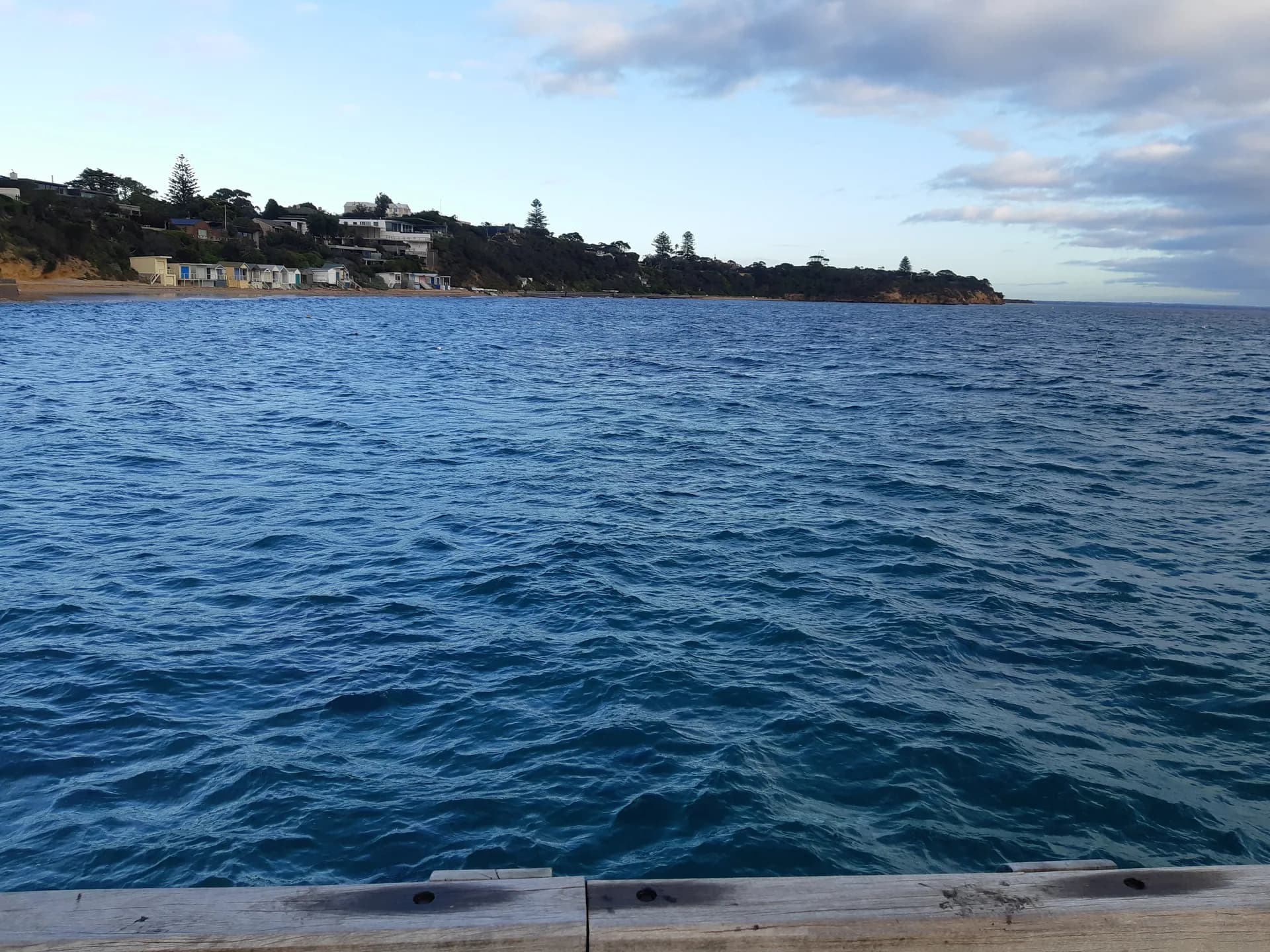
Portsea is the last town on the Mornington Peninsula before Point Nepean, approximately 100 kilometres (roughly 1.5 hours) from Melbourne's CBD via the M1 and Nepean Highway. The pier is located at Portsea Front Beach, a sheltered bay-side beach directly below the main Portsea village strip.
The site's position near the Heads is what makes it special. Tidal exchange between Port Phillip Bay and Bass Strait pushes cleaner, cooler, more nutrient-rich ocean water past the pier. This means Portsea often has better visibility and richer marine life than piers further up the bay — but it also means you need to pay attention to currents.
For a broader look at all the dive sites along this stretch of coast, see our guide to the best freediving spots in Melbourne.
Site Layout
Portsea Pier extends roughly north from the front beach into Port Phillip Bay. The structure is a traditional timber pier with rows of wooden pylons sunk into a predominantly sandy bottom. Over decades, these pylons have become artificial reefs — every surface is encrusted with sponges, ascidians, bryozoans, and soft corals in shades of orange, pink, yellow, and purple.
The key zones to know:
- Shallows (shore to mid-pier) — Sandy bottom with scattered seagrass beds at 2-4 metres. Seahorses, pipefish, and juvenile fish shelter in the seagrass. Useful as an entry and exit area and for surface-level snorkeling
- Mid-pier pylons — Depth increases to 4-6 metres. Pylons are heavily sponge-encrusted and kelp begins to appear. This is where weedy seadragon sightings become common
- End of pier — Depth reaches 6-8 metres and deeper off the end. The densest sponge growth, larger fish, and the best visibility. Occasional cuttlefish and smooth rays on the sand
- Eastern kelp beds — Kelp forest extends along the eastern side of the pier. This is prime seadragon habitat. Drift slowly through and scan the kelp fronds
Depth
Under the pier, depths range from approximately 3 metres near shore to 8 metres at the pier's end. Off the end of the pier, the bottom slopes away and can reach 10-12 metres. For most divers, the interesting zone is the 4-8 metre band along the pylons — this is where sponge coverage and marine life density are highest.
For snorkelers, the 3-5 metre range near the mid-pier area offers the best compromise between depth and marine life. The full depth of the outer pylons is comfortably within reach for trained freedivers.
Marine Life
Portsea Pier is a biodiversity hotspot. The combination of pier structure, kelp forest, sandy bottom, and proximity to the Heads creates overlapping habitats that support a huge variety of species. Here is what to look for:
- Weedy seadragons — The star attraction. Portsea is one of the most reliable locations in Victoria to encounter them. More on this below
- Soft corals and sponges — Every pylon is a living canvas. Orange, pink, and purple sponges compete for space with finger sponges, ascidians, and delicate soft coral polyps
- Nudibranchs — Dozens of species across the sponge-covered pylons. Look closely — many are smaller than a fingernail
- Pufferfish (globefish) — Common around the pylons. The smooth toadfish is a regular resident, often resting on ledges or the sand
- Stargazers — Ambush predators buried in the sand with only their eyes visible. Look carefully at the sandy patches between pylons
- Banjo sharks (fiddler rays) — Flat, guitar-shaped rays that rest on the sand. Harmless and often surprisingly well-camouflaged
- Seahorses — Short-snouted and pot-bellied seahorses cling to pier pylons and seagrass. Tiny and exceptionally well-camouflaged — you need a slow, careful eye
- Old wives — Distinctive black-and-white striped fish that school around the pylons. One of the most recognisable fish in Port Phillip Bay
- Leatherjackets — Several species, from the six-spined leatherjacket to the larger toothbrush variety. Curious and often unafraid of divers
- Smooth rays — Large rays with wingspans up to 2 metres that rest on the sandy bottom, particularly near the outer pylons
- Cuttlefish — Giant cuttlefish and the smaller mourning cuttlefish hunt around the pylons, changing colour and texture as they move
Night Diving at Portsea Pier
Portsea Pier transforms after dark. Species that hide during the day — dumpling squid, octopus, decorator crabs, and hunting cuttlefish — emerge across the seabed. If you have underwater torch capability and experience with night diving, this site is exceptional after sunset. Always dive with a buddy at night and carry a backup light.
Weedy Seadragon Encounters
Portsea Pier is one of the most reliable spots in all of Victoria to see weedy seadragons. These ethereal relatives of the seahorse are found year-round in the kelp and sponge gardens surrounding the pier. On a typical dive, sighting at least one or two seadragons is common — on a good day, you may encounter half a dozen or more.
Where to look: Seadragons favour the kelp forests on the eastern side of the pier, drifting slowly among the fronds where their leaf-like appendages provide perfect camouflage. They also patrol the sponge-covered pylons, particularly in the 4-7 metre depth range. Check along the base of pylons where kelp meets sand — seadragons often hover here, feeding on tiny mysid shrimp.
Best approach: Move slowly and deliberately. Seadragons are not particularly skittish, but sudden movements will cause them to drift away. Maintain a respectful distance of at least one metre. Never chase, touch, or corner a seadragon — they are a protected species under Victorian law. If you stay calm and patient, they will often continue feeding and moving naturally in your presence, giving you extended and up-close views.
Breeding season: In winter (June-August), male seadragons carry clusters of bright pink eggs on their tails. This is one of the most remarkable sights in the underwater world — the males brood the eggs for about eight weeks until they hatch. If you spot a male carrying eggs, keep extra distance and avoid any flash photography.
For a deeper dive into seadragon ecology, identification, and the best locations across Melbourne, see our dedicated guide to freediving with weedy seadragons.
Freediving at Portsea Pier
Portsea Pier is an excellent intermediate freediving site. The depths of 4-8 metres under the pier are comfortable for anyone who has completed a basic freediving course, and the dense marine life means even short dives of 30-60 seconds at depth are richly rewarding.
The site is slightly deeper than many other pier dives around Port Phillip Bay. At Rye Pier, much of the interesting life sits at 2-4 metres, making it accessible even to breath-hold beginners. At Portsea, the best sponge growth and seadragon habitat is in the 5-7 metre range — still shallow by freediving standards, but it requires confident equalisation and comfortable breath-holds.
Tips for freedivers:
- Dive the pylons methodically — start at the mid-pier and work your way out to deeper water as you warm up
- Use a surface interval of at least twice your dive time between each breath-hold dive
- A weight belt with 2-3 kg (on top of wetsuit weighting) helps you descend smoothly to pylon depth without fighting buoyancy
- Carry a dive float — it marks your position for boats and gives you a surface rest point between dives
- Freediving gives you a distinct advantage over scuba here: no bubbles means less disturbance, and marine life (especially seadragons) tends to be calmer around breath-hold divers
If you are new to freediving and want to build the skills for sites like Portsea, see our freediving gear guide for equipment recommendations.
Snorkeling at Portsea Pier
Snorkeling is possible at Portsea Pier, but it suits confident snorkelers rather than complete beginners. The main reason is depth — while the shallower sections (2-4m) hold some marine life, the pier's real treasures sit at 5-8 metres, beyond comfortable snorkeling range for most people.
That said, there is still plenty to see from the surface. Kelp canopy, schooling fish, leatherjackets, and the occasional seadragon can all be spotted while snorkeling. On calm, clear days, the visibility at Portsea can be excellent, allowing you to see the sponge-encrusted pylons and sandy bottom even from the surface.
If you are primarily a snorkeler, consider Rye Pier or Flinders Pier as alternatives — both have shallower marine life that is more accessible from the surface. Portsea is the site that often convinces snorkelers to learn freediving, because you can see how much more there is just a few metres below.
Commercial Seadragon Tours
Several operators run guided snorkel-with-seadragon tours from Portsea Pier, typically during the warmer months. These tours provide wetsuits, masks, snorkels, and fins, and a guide leads you to the best seadragon spots. They are an excellent option if you are visiting for the first time, do not have your own gear, or want a guided introduction to the site.
Tour operators typically choose conditions carefully — they run on calm days with good visibility and manageable currents. If you book a tour and it gets cancelled due to conditions, that is actually a good sign — it means the operator prioritises safety.
Best Conditions
Portsea Pier can be spectacular or challenging depending on conditions. The key variables:
- Wind — North-easterly winds are ideal, keeping the front beach sheltered. Southerly and south-westerly winds push swell and chop directly onto the beach. Aim for days with winds under 10-15 knots
- Visibility — Ranges from 2 metres on a bad day to 8-10 metres or more on a good day. The influence of ocean water from the Heads often gives Portsea better visibility than piers further up the bay. After rain or strong winds, wait 48-72 hours for the water to settle
- Water temperature — Ranges from 10-13°C in winter to 18-22°C in summer. A 5mm wetsuit is recommended for most of the year. In summer, a 3mm suit may suffice, but most local divers wear 5mm year-round
- Tides — This is the most important factor at Portsea. See the section below on current awareness
Current Awareness: The Heads
Portsea Pier's proximity to Port Phillip Heads is both its greatest asset and its primary hazard. The Heads are the narrow entrance where Port Phillip Bay connects to Bass Strait. Twice a day, billions of litres of water flow in and out of this gap, creating some of the strongest tidal currents in Australia.
At the pier itself, currents are weaker than at the Heads proper, but they are still a factor — especially during spring tides (the larger tidal exchanges that coincide with new and full moons). During strong tidal flow, water can move noticeably past the pylons, making it harder to hold position and potentially sweeping you away from the pier.
When to dive:
- Slack water — The ideal time is during the brief period of slack water between incoming and outgoing tides. Current is minimal and conditions are calm
- Neap tides — Tidal exchanges are smallest during neap tides (quarter moons). Current at the pier will be weaker throughout the day
- Small tidal range days — Check tide charts. Days with a small difference between high and low tide mean less water moving and weaker currents
When to avoid:
- Spring tides — Large tidal exchanges create strong currents. If you are not experienced with current diving, skip these days
- Mid-tide — Current is strongest roughly halfway between high and low tide. If you must dive during a spring tide, time it for slack water
- After storms — Surge and reduced visibility make the site less enjoyable and less safe
Current Safety
If you feel current pulling you away from the pier, do not fight it head-on. Swim perpendicular to the current toward the nearest pylon or the shore. If you cannot make progress, signal for help and float until the current eases. Always carry a dive float and a whistle for surface signalling. Never dive alone at this site.
Getting There: Parking and Facilities
Portsea Front Beach has a large car park directly adjacent to the pier. Parking is free on most days but can fill up quickly on weekends and public holidays during summer. Arriving before 9am on a summer weekend is recommended.
- Address: Point Nepean Road, Portsea VIC 3944
- Parking: Portsea Front Beach car park — sealed, directly at the pier entry
- Toilets: Public toilets in the car park area
- Showers: Outdoor freshwater rinse showers near the beach
- Food: The Portsea Hotel and several cafes are within a short walk up the hill in the village
- Gear hire: Guided tour operators at the pier can provide basic snorkel equipment during their scheduled tours
There is a grassy area near the car park that works well as a staging point for gearing up. Concrete steps and a boat ramp provide easy water entry.
Nearby Alternatives
If conditions at Portsea Pier are not suitable — or if you want to explore more of the area — there are several excellent alternatives nearby.
- Portsea Hole (The Heads) — An advanced ocean site on the back beach side of Portsea. Strong currents, ocean swell, and depths beyond 15 metres. Only for experienced divers on calm days. The marine life is spectacular — large fish, crayfish, and open-water species you will not see at the pier
- Sorrento Pier — About 5 minutes drive east. A shallower and generally calmer alternative with good marine life, including seahorses and nudibranchs. A better option for beginners on days when Portsea has current
- Blairgowrie Pier — 10-15 minutes east along the coast. One of the best nudibranch sites in Melbourne and a key spider crab migration location. Shallower than Portsea and usually calmer
- Rye Pier — 20 minutes east. The beginner-friendly pier with the Octopus Garden snorkel trail, seahorses, and smooth rays. Shallower depths of 2-5 metres make it ideal for snorkelers and new freedivers
For a complete overview of all the Mornington Peninsula dive sites, see our Mornington Peninsula diving guide and our guide to the best freediving spots in Melbourne.
Seasonal Highlights
- Summer (Dec-Feb) — Warmest water (18-22°C), longest daylight hours, good visibility. Busiest period. Seadragon tour operators are most active. Cuttlefish and calamari breeding
- Autumn (Mar-May) — Water still warm, crowds thin out, visibility often excellent. Spider crabs begin moving through in late May. One of the best times to visit
- Winter (Jun-Aug) — Coldest water (10-13°C) but frequently the best visibility. Male seadragons carry eggs. Fewer divers means calmer wildlife. A 5mm wetsuit with hood and gloves is essential
- Spring (Sep-Nov) — Water warming, seadragon eggs hatching, new growth on sponges. Good all-round conditions. Whale sightings occasionally reported in the Heads area
Gear Recommendations
Portsea Pier is a standard temperate-water dive site. The gear requirements are the same as most Port Phillip Bay pier dives:
- Wetsuit — 5mm for most of the year, 3mm may suffice in peak summer. Hood and gloves recommended May-October
- Mask — Low-volume freediving mask with tempered glass. A good seal matters more than any brand
- Fins — Long-blade freediving fins for freedivers, standard open-heel fins for snorkelers. Booties for warmth
- Weight belt — 2-4 kg to achieve neutral buoyancy at pylon depth. Too much weight is a safety risk; too little makes descents frustrating
- Dive float — Mandatory at Portsea. It marks your position for boat traffic and gives you a rest point on the surface
- Torch — Useful even in daylight for illuminating the vibrant sponge colours and peering into crevices. Essential for night diving
- Camera — If you have an underwater camera or housing, Portsea is one of the most photogenic sites in Melbourne. Macro setups excel here
For a full gear breakdown including costs, see our freediving gear guide for Melbourne.
Frequently Asked Questions
Can you see weedy seadragons at Portsea Pier?
Yes. Portsea Pier is one of the most reliable spots in Melbourne to see weedy seadragons. They live among the kelp forests and sponge gardens around the pier pylons year-round. Sightings are common on nearly every dive, particularly along the deeper pylons and in the kelp beds on the eastern side of the pier.
Is Portsea Pier safe for snorkeling?
Portsea Pier is suitable for confident snorkelers but is not ideal for beginners. Depths of 3-8 metres mean some marine life is beyond easy snorkeling range, and the pier's proximity to the Heads can produce tidal currents. Calmer, shallower alternatives for beginners include Rye Pier (2-5m) and Flinders Pier (1-7m with plenty of shallow life).
Are there strong currents at Portsea Pier?
Portsea Pier can experience tidal currents due to its proximity to Port Phillip Heads. Currents are strongest during large tidal exchanges (spring tides) and around the mid-point between high and low tide. Always check tide charts before diving and aim for slack water or neap tide days. On calm days with small tidal ranges, conditions under the pier are generally manageable.
What is the best time to dive Portsea Pier?
The best time is on a calm day with light winds, ideally during a neap tide or at slack water. Summer and autumn offer the warmest water and longest daylight, but winter can bring the best visibility. For the calmest conditions, arrive early — morning sessions before the sea breeze picks up are often the most enjoyable.