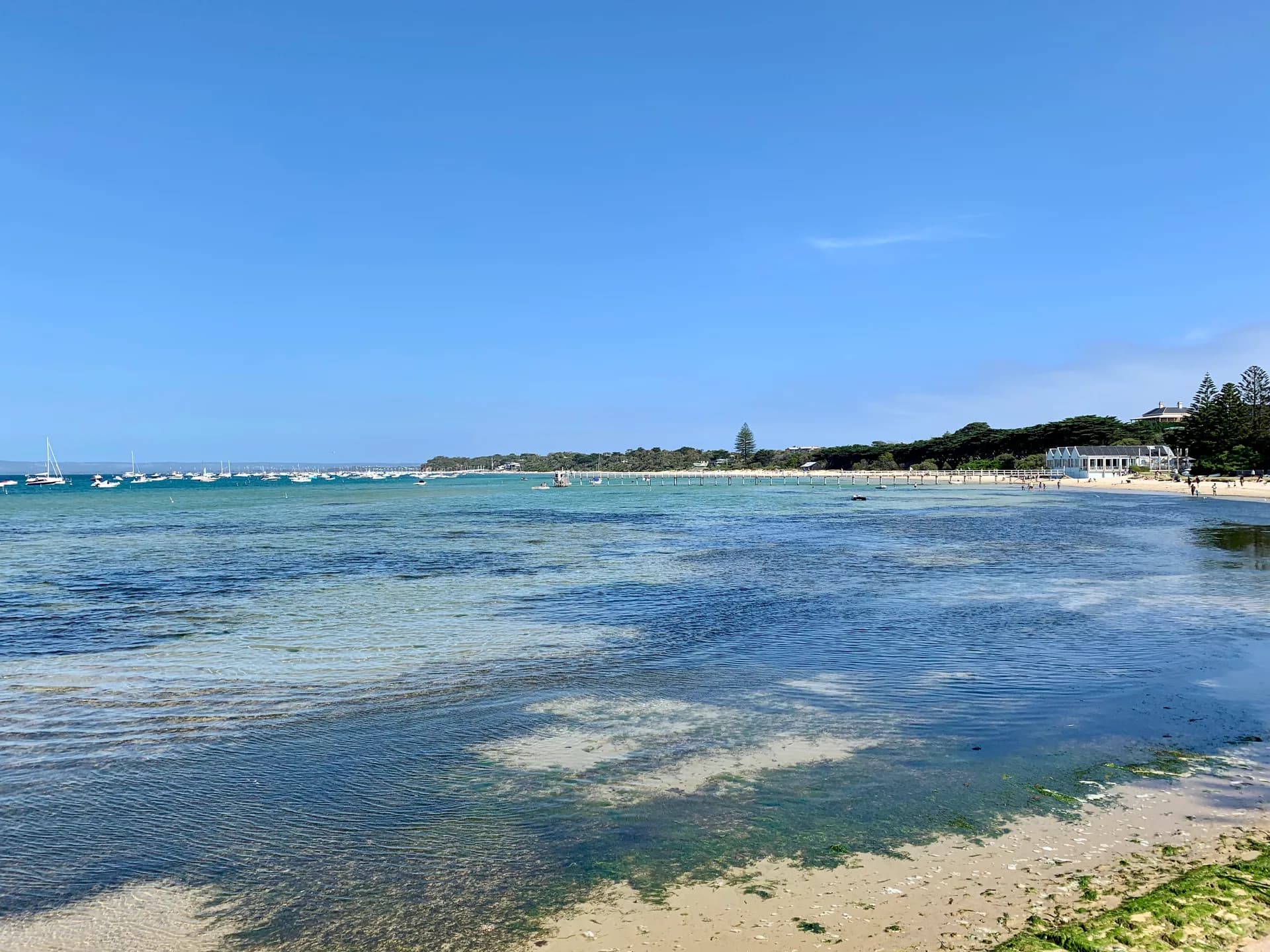
Sorrento Pier Diving Guide
Weedy seadragons, dolphins, and historic pylons at the heart of the Mornington Peninsula — a rewarding dive site where ferry awareness is essential.
Last updated:
Sorrento Pier sits in the heart of one of the Mornington Peninsula's most iconic coastal towns, where the calm waters of Port Phillip Bay meet a bustling ferry terminal, historic streetscapes, and some of Melbourne's richest underwater habitats. Beneath the pier's concrete pylons and along the adjacent rock wall, weedy seadragons drift through seagrass, nudibranchs cling to sponge-encrusted surfaces, and bottlenose dolphins are regular visitors to the area.
What makes Sorrento unique among Melbourne's pier dives is the combination of excellent marine life and an active ferry terminal. The Searoad ferry runs a regular service between Sorrento and Queenscliff, and the vessel's size, wash, and propeller currents make ferry awareness the single most important safety consideration at this site. Respect the ferry, plan around the timetable, and Sorrento rewards you with a diverse and memorable dive. This guide covers everything you need to know.
Location and Getting There
Sorrento is located on the southern shore of the Mornington Peninsula, approximately 1.5 hours from Melbourne's CBD via the Mornington Peninsula Freeway and Nepean Highway. The pier is in the centre of the Sorrento township, directly on the bay-side foreshore.
Address: Sorrento Pier, The Esplanade, Sorrento VIC 3943. GPS coordinates are approximately 38.3410°S, 144.7440°E.
The pier also serves as the terminal for the Searoad Ferries service — the vehicle-carrying ferry that runs between Sorrento and Queenscliff on the Bellarine Peninsula. This means the pier area is busy with vehicle and passenger traffic, particularly during peak tourist season.
Approximate drive times:
- Melbourne CBD: ~1.5 hours via the M1 and Nepean Highway
- Frankston: ~45 minutes via the Nepean Highway
- Portsea: ~10 minutes east along Point Nepean Road
- Blairgowrie: ~15 minutes east along Point Nepean Road
For a broader look at all the dive sites in this region, see our Mornington Peninsula diving guide.
Site Layout
Sorrento's pier is a substantial concrete structure that extends into Port Phillip Bay and serves as the berth for the Searoad Queenscliff ferry. Understanding the layout is essential for both navigation and safety.
The key zones to know:
- Main pier structure — A long concrete pier extending into the bay, with the ferry terminal and vehicle marshalling area at the landward end. The pier has a series of heavy pylons that support the structure and provide habitat for marine life along their length
- Southern rock wall / breakwater — A rock wall runs along the southern side of the pier, creating a sheltered area between the rocks and the sand. This breakwater is one of the best diving and snorkeling zones at the site — it is away from the ferry lane and supports dense encrusting life, small fish, and invertebrates
- Front beach (south) — The sandy beach to the south of the pier is the main swimming and entry area for Sorrento township. It provides easy shore entry for divers heading to the rock wall or the southern pier pylons
- Back beach — On the ocean side of the peninsula, the back beach faces Bass Strait and is exposed to swell. It is not a typical dive entry but offers rock platform snorkeling on calm days
- Underwater pylons — The pier pylons are encrusted with sponges, ascidians, and bryozoans. Marine life concentrates around these structures, particularly at the mid-pier and outer sections where depth increases
- Millionaires Walk reef — A stretch of low reef and seagrass meadow extending south of the pier along the foreshore. This area is named after the grand houses on the cliff above and is excellent habitat for weedy seadragons, sponge gardens, and a wide range of reef fish
Ferry Traffic Warning
The Searoad ferry operates multiple daily services from Sorrento Pier. The ferry is large, fast-moving, and creates powerful wash. Always check the timetable at searoad.com.au before diving. When a ferry is approaching or departing, exit the water or move well away from the pier structure. Use a highly visible dive float at all times. Never dive near the ferry berth.
Depth Profile
Sorrento Pier offers a range of depths that suit different experience levels. The seabed slopes gradually from shore, and the pier structure provides reference points as the depth increases.
- Near shore (beach to inner pylons): 1-3 metres. Sandy bottom with seagrass patches. Good for snorkelers and beginners
- Mid pier: 4-6 metres. Pylons become more heavily encrusted, and marine life density increases. This is the sweet spot for most freedivers
- Outer pier: 7-10 metres. The deepest section under the main pier structure. Larger fish and rays are more common here, along with the densest sponge growth
- Sand channel: 5-8 metres. A sandy corridor between the pier structure and the reef areas, where rays and flathead rest on the bottom
- Millionaires Walk reef: 3-7 metres. A broad, shallow reef with scattered boulders, seagrass, and kelp. Ideal depth range for both snorkeling and freediving
- Outside the breakwater: Deeper water beyond the rock wall drops away and can exceed 10 metres. This area is more exposed and should only be dived in calm conditions
For most recreational divers and freedivers, the 3-7 metre range along the rock wall, mid-pier pylons, and Millionaires Walk reef provides the best combination of marine life and comfortable depth.
Marine Life
Sorrento Pier and its surrounding reef support an impressive diversity of marine species. The combination of pier structure, rock wall, seagrass meadows, and the nearby Millionaires Walk reef creates multiple overlapping habitats within a compact area.
- Weedy seadragons — Common around the pier pylons and particularly along the Millionaires Walk reef. Sorrento is one of the more reliable locations on the peninsula for seadragon encounters. See our guide to freediving with weedy seadragons for identification tips and best practices
- Smooth rays — Large rays with wingspans up to 2 metres rest on the sandy bottom, particularly in the sand channels and near the outer pylons
- Port Jackson sharks — Present during the cooler months (May-September), these harmless bottom-dwelling sharks rest under ledges and against pylons. Their distinctive banded markings make them easy to identify
- Banjo sharks (fiddler rays) — Flat, guitar-shaped rays that lie camouflaged on the sandy bottom. Harmless and often allow close approach if you move slowly
- Old wives — Striking black-and-white striped fish that school around the pylons in groups. One of the most recognisable species in Port Phillip Bay
- Leatherjackets — Several species frequent the pier, from six-spined leatherjackets to larger toothbrush varieties. Curious and often unafraid of divers
- Nudibranchs — Dozens of species live on the sponge-encrusted pylons and rock wall. Many are tiny and require a slow, careful eye to spot. The rock wall is particularly productive for nudibranch hunting
- Seahorses — Short-snouted and pot-bellied seahorses cling to seagrass blades and pier structures. Extremely well-camouflaged and rewarding to find
- Cuttlefish — Giant cuttlefish and mourning cuttlefish hunt around the pylons, displaying mesmerising colour changes as they stalk prey
- Octopus — Common under rocks and in crevices along the rock wall and reef. Often spotted at dusk or on overcast days when they are more active
- Stingarees — Small, disc-shaped rays that rest on the sand. Easy to miss due to their effective camouflage
Dolphins: Sorrento is well known for bottlenose dolphin sightings. Pods of dolphins frequently enter the bay area around the pier, and it is not uncommon to see them from the pier structure itself. Occasional Australian fur seal visits also occur, particularly in cooler months.
Spider crab migration: During May and June, spider crabs pass through the Sorrento area as part of their annual mass migration along the peninsula. While Blairgowrie and Rye are the primary aggregation points, crabs are regularly seen at Sorrento during this period. See our spider crab migration guide for dates and locations.
Freediving at Sorrento Pier
Sorrento Pier is a good freediving site for all experience levels, provided conditions are calm and you plan around the ferry timetable. The depth range of 1-10 metres offers options for beginners and experienced freedivers alike, and the quality of the marine life makes every dive worthwhile.
For beginners: The shallower areas along the rock wall and inner pylons (1-5 metres) are ideal for newer freedivers. The seagrass beds hold seahorses and juvenile fish, and the rock wall supports encrusting life that can be explored at very shallow depths. These zones are also furthest from the ferry lane, adding a safety margin.
For experienced freedivers: The outer pylons (7-10 metres) and Millionaires Walk reef (3-7 metres) offer the most rewarding diving. Weedy seadragons are regularly found along the reef, and the deeper pylons hold denser sponge growth and larger marine life. Working the mid-pier pylons methodically — descending, scanning each pylon at depth, and surfacing for recovery — is a productive approach.
The key advantage of Sorrento for freedivers is the reliable presence of weedy seadragons. Unlike some sites where sightings are sporadic, the Millionaires Walk area produces consistent encounters, particularly in the 4-6 metre depth band where seagrass gives way to scattered reef.
Freediving Tip
The best freediving at Sorrento is along the rock wall and around the Millionaires Walk reef, away from the ferry traffic. Work the shallow sections (2-5 metres) where weedy seadragons drift through the seagrass, and save the deeper pier pylons for calm days with no ferry movements.
The main concern for freedivers is ferry traffic. Always use a dive float with a highly visible flag, and stay well clear of the ferry channel. Plan your session around the timetable — check departure and arrival times before you enter the water and give yourself a generous buffer. For more freediving site options around Melbourne, see our guide to the best freediving spots in Melbourne.
Snorkeling at Sorrento Pier
Sorrento offers good snorkeling for confident snorkelers, particularly along the rock wall and in the shallower pylon areas on the southern side of the pier. The site is best at high tide, when the increased water depth brings better visibility and allows you to float over the rock wall and seagrass without disturbing the bottom.
The rock wall is the most productive snorkeling zone. Its crevices and encrusting growth support a rich community of small fish, invertebrates, and nudibranchs that can be observed from the surface on calm, clear days. Schools of old wives, leatherjackets, and wrasse are commonly spotted, and weedy seadragons occasionally drift through the shallows close enough to see from above.
Millionaires Walk can also be snorkeled in calm conditions. The reef sits at 3-7 metres, so you will need clear water to see the bottom effectively, but on a good day the seagrass meadows and scattered boulders are visible from the surface and offer the chance of seadragon and ray sightings.
Safety for snorkelers: Always be aware of ferry times and stay clear of the vessel path. Wear a brightly coloured cap or use a surface float to make yourself visible to boat traffic. Avoid snorkeling near the ferry berth or in the channel where the ferry manoeuvres.
If you are looking for the best snorkeling spots across the region, see our guide to the best snorkeling spots in Melbourne.
Ferry Traffic and Safety Zones
This is the most important section of this guide. The Searoad ferry operates multiple services daily between Sorrento and Queenscliff, carrying vehicles and passengers across Port Phillip Bay. The ferry is a large, powerful vessel, and its operations directly affect the safety of anyone diving or snorkeling at Sorrento Pier.
What you need to know:
- Ferry size and power: The Searoad ferry is a large vehicle-carrying catamaran. When it arrives and departs, it creates significant wash (waves) and powerful propeller currents that extend well beyond the vessel itself. These forces can disorient divers, push snorkelers into structures, and create dangerous turbulence underwater
- Ferry schedule: Services run multiple times daily, with increased frequency during peak season (summer and school holidays). Departures and arrivals are roughly every 1-2 hours depending on the season. Always check the current timetable at the Searoad Ferries website before diving
- Ferry lane: The ferry approaches and departs through a defined channel on the northern side of the pier. This channel and the berth area are no-go zones for divers at all times. Even when no ferry is present, the channel should be avoided as ferry movements can be unpredictable
- Wash effects: When the ferry passes, the wash reaches the rock wall and surrounding waters within seconds. Underwater, you will feel surge and turbulence that can reduce visibility to near zero temporarily. If you are in the water when a ferry moves, the safest position is well away from the pier structure on the southern side
Safety rules for diving at Sorrento Pier:
- Check the Searoad ferry timetable before every session and note upcoming arrival and departure times
- Always use a highly visible surface float with a dive flag
- Stay on the southern side of the pier, away from the ferry channel
- When a ferry is approaching or departing, exit the water entirely or move well away from the pier structure
- Never dive directly under or near the ferry berth
- Allow at least 10-15 minutes after a ferry departure before resuming diving near the pier, to let wash and turbulence settle
- Dive with a buddy — a second pair of eyes helps monitor surface conditions while one person is submerged
Best Conditions
Sorrento Pier is at its best on calm, clear days with favourable wind and tide. The key variables to check before you visit:
- Wind: Northerly or easterly winds are ideal, keeping the bay side of the peninsula sheltered. Southerly winds can push swell around the headland and create chop. Aim for days with winds under 10-15 knots
- Tide: High tide is preferred. It provides better depth over the rock wall and reef, improves visibility by reducing disturbance of the sandy bottom, and gives more clearance over shallow seagrass beds
- Visibility: Typically 3-8 metres at Sorrento, occasionally better on exceptional days. Visibility tends to be best in winter and on calm autumn mornings. After rain, visibility drops significantly as runoff clouds the water — allow 48-72 hours after heavy rain for conditions to recover
- Water temperature: 10-13°C in winter, 18-22°C in summer. A 5mm wetsuit is recommended for most of the year. In the peak of summer, a 3mm suit may suffice, but many local divers wear 5mm year-round for comfort
- Swell: Best on days with minimal swell. Although Sorrento's bay-side location is relatively sheltered, large storm swells can wrap around the peninsula and create surge at the pier. Flat days are ideal
Parking and Facilities
Sorrento is a popular tourist town, particularly during the summer months and on weekends. Parking and amenities are generally good, but planning ahead during busy periods is important.
- Parking: Paid parking is available along The Esplanade and throughout the Sorrento township. Rates can be expensive during peak summer. Free parking is available further up the hill away from the foreshore, but this adds a walk to the water
- Toilets: Public toilet facilities are located near the pier and along the foreshore
- Change facilities: There are no dedicated dive change facilities. Most divers change at their vehicles. A towel poncho is useful for privacy in the busy car park areas
- Food and supplies: Sorrento township has numerous cafes, restaurants, and shops within a short walk of the pier. A general store is available for basic supplies. There is no dedicated dive shop in Sorrento, so bring all your gear with you
- Summer crowds: Sorrento is one of the most popular summer destinations on the peninsula. On hot weekends and public holidays, parking fills early and the foreshore is packed. Arriving before 8am on a summer weekend is strongly recommended. The trade-off is that early morning typically offers the calmest water conditions as well
Nearby Alternatives
If conditions at Sorrento Pier are not suitable — or if ferry traffic is making diving uncomfortable — there are several excellent alternatives within a short drive along the peninsula.
- Portsea Pier — 10 minutes west. Kelp forests, exceptional sponge growth, and some of the most reliable weedy seadragon sightings in Melbourne. Slightly deeper and can have tidal currents, but no ferry traffic to contend with
- Blairgowrie Pier — 15 minutes east. Melbourne's nudibranch capital, with over 100 species recorded. Shallower than Sorrento and usually calmer. A key spider crab aggregation site during the winter migration
- Rye Pier — 20 minutes east. A family-friendly site with the Octopus Garden snorkel trail, seahorses, and smooth rays. Shallow depths of 2-5 metres make it ideal for snorkelers and beginners
- Flinders Pier — Further east on the peninsula, Flinders offers exceptional marine diversity in a working-pier setting. A rewarding option if you want to explore beyond the inner bay piers
- Back beach rock platforms — The ocean-side back beach at Sorrento offers rock platform snorkeling in sheltered pools on calm days. Not a traditional dive site, but worth exploring for intertidal life during low tide
For the full picture of peninsula diving, see our Mornington Peninsula diving guide.
Seasonal Highlights
- Summer (Dec-Feb): Warmest water (18-22°C), longest daylight hours, and dolphins are commonly seen in the area. The pier and township are busiest during this period, and the ferry runs its most frequent schedule. Cuttlefish are active, and the seagrass beds are lush with juvenile fish
- Autumn (Mar-May): Tourist crowds thin out, the water remains warm, and visibility often improves as autumn storms settle. Cuttlefish displays continue, and the quieter conditions make for more relaxed diving. Late autumn brings the start of the spider crab movements along the peninsula
- Winter (Jun-Aug): Coldest water (10-13°C) but frequently the best visibility of the year. Port Jackson sharks arrive and rest under ledges and against pylons. Male weedy seadragons carry eggs during this period — one of the most remarkable sights in the underwater world. Spider crabs may pass through in early winter. A 5mm wetsuit with hood and gloves is essential
- Spring (Sep-Nov): Water temperatures begin to rise, marine life becomes increasingly active, and octopus mating displays can be observed. Calm days between spring storm systems offer excellent diving conditions. Seadragon eggs hatch and tiny juveniles appear in the seagrass
Frequently Asked Questions
Is Sorrento Pier good for diving?
Yes. Sorrento Pier offers diverse marine life including weedy seadragons, rays, cuttlefish, and nudibranchs in a relatively sheltered setting. The main consideration is the active Searoad ferry service — divers must stay clear of the ferry lane and check timetables before entering the water. The nearby Millionaires Walk reef adds an excellent second dive option.
Can you snorkel at Sorrento Pier?
Yes. The rock wall and shallower pylon areas offer good snorkeling, especially at high tide on calm days. You can often see seadragons, rays, and schools of fish from the surface. Always carry a visible float and stay well clear of the ferry channel. The best snorkeling is along the southern rock wall and towards Millionaires Walk.
Is there ferry traffic at Sorrento Pier?
Yes. The Searoad Ferries service runs multiple times daily between Sorrento and Queenscliff. The ferry is a large vehicle-carrying vessel that creates significant wash and propeller currents. Always check the ferry timetable before diving, use a surface float, and stay well clear of the ferry berth and transit lane. When a ferry is arriving or departing, move away from the pier structure.
What marine life can you see at Sorrento Pier?
Sorrento Pier is home to weedy seadragons, smooth rays, Port Jackson sharks (winter), banjo sharks, cuttlefish, octopus, nudibranchs, seahorses, old wives, and leatherjackets. Bottlenose dolphins frequently visit the area, and the nearby Millionaires Walk reef adds diversity with sponge gardens and additional seadragon habitat.